As an Amazon Associate I earn from qualifying purchases.
How to Make Kitchen Gluten Free?
How to Make Kitchen Gluten Free? The safest way is to make the entire kitchen gluten-free by removing all gluten sources. For shared kitchens, prevent cross-contact with separate tools (toaster, cutting boards), dedicated storage (gluten-free on top shelves), thorough cleaning, and labeled condiments.

Understanding Gluten Cross-Contact Risks
Cross-contact occurs when gluten-free foods touch gluten residues, rendering them unsafe for celiac disease sufferers. Even crumbs can trigger reactions.
Celiac disease affects 1.4% globally by serology and 0.7% by biopsy, with up to 83% undiagnosed in the US. Non-celiac gluten sensitivity impacts up to 6%.
Tiny amounts—under 20 ppm—are considered safe, but cross-contact often exceeds this.

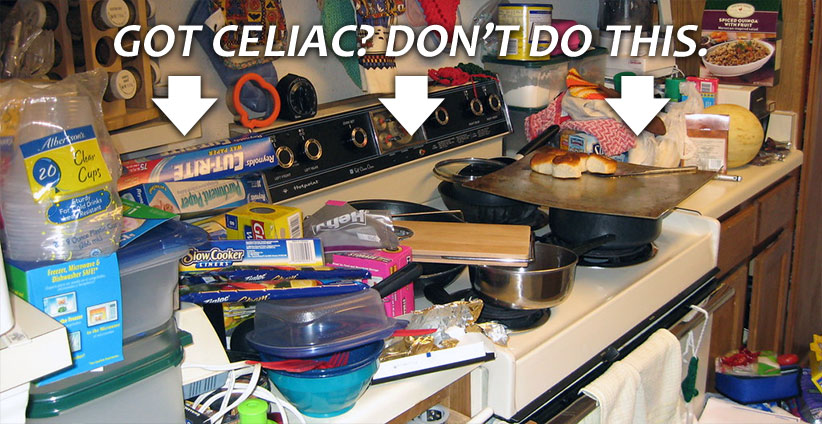
Common sources include shared toasters, cutting boards, condiments (double-dipping), and airborne flour.
Learn more in Beyond Celiac’s cross-contact guide.
Fully Gluten-Free vs. Shared Kitchen
Fully gluten-free kitchens eliminate risks entirely—ideal for celiac households.
Shared kitchens require vigilance: designate zones, label items, and educate family.
Experts recommend full gluten-free where possible, as shared setups demand constant cleaning.
For shared tips, see Schär’s gluten-free kitchen rules.
Essential Tools to Replace or Dedicate
Porous or scratched items harbor gluten permanently.
| Tool | Why Replace/Dedicate | Recommendation |
|---|---|---|
| Toaster | Crumbs impossible to remove fully | Separate gluten-free toaster |
| Cutting boards | Scratches trap gluten | Plastic or dedicated board |
| Wooden utensils | Porous wood absorbs residues | Switch to silicone/metal |
| Colander | Pasta residue lingers | Dedicated for GF pasta |
| Non-stick pans (scratched) | Coatings harbor gluten | Stainless steel or new |
Replace rolling pins, sponges, and sifters.
Detailed list at Gluten Intolerance Group’s tools guide.
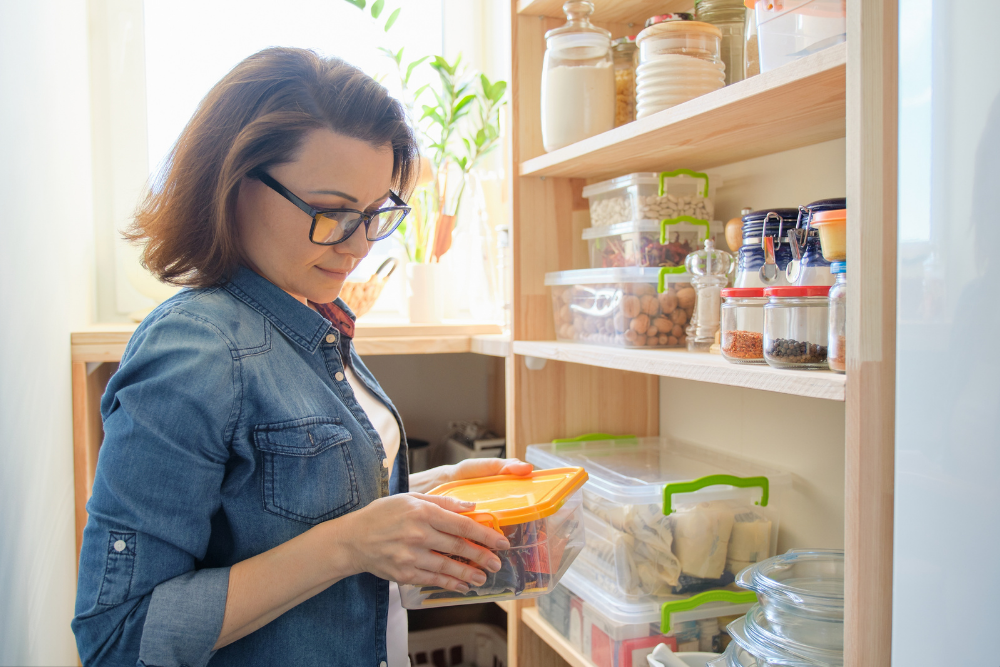
Pantry and Storage Organization
Organize to prevent spills and crumbs.
- Place gluten-free items on top shelves to avoid fallout.
- Use sealed containers and labels.
- Separate condiments—squeeze bottles or duplicates prevent double-dipping.
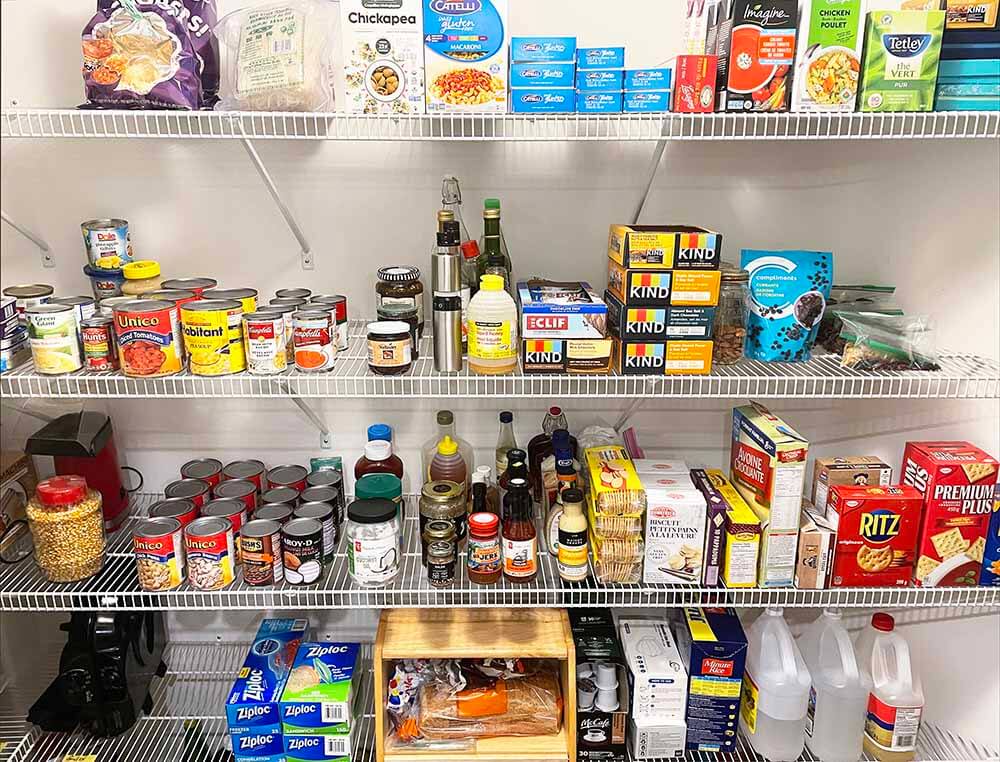


Stock certified gluten-free staples.
Tips from Celiac Disease Foundation.
Daily Prevention Practices
- Clean surfaces thoroughly before prep.
- Prepare gluten-free food first.
- Use color-coded sponges/cloths.
- Wash hands and avoid airborne flour.
- Run dishwasher for shared non-porous items.
Soap and water remove gluten effectively from smooth surfaces.
FAQ
Is a fully gluten-free kitchen necessary for celiac disease? Yes for lowest risk; shared possible with strict protocols.
Can I share a dishwasher? Yes—soap removes gluten from non-porous items.
What about oats? Use only certified gluten-free to avoid contamination.
How much gluten is dangerous? As little as 10mg daily can damage intestines.
Do I need separate pots and pans? No if thoroughly washed; dedicate porous ones.
Final Thoughts
Creating a gluten-free kitchen protects health and simplifies meals for those with celiac or sensitivity. Prioritize prevention through dedicated tools, organization, and habits. With global prevalence rising, safe kitchens enable thriving on a gluten-free diet. Consult experts for personalized setup.

Maksuda Khanam is a passionate home appliance expert and the primary author behind KitchenMarts.com