As an Amazon Associate I earn from qualifying purchases.
Which Microwave Oven Should I Buy?
Which Microwave Oven Should I Buy? You might be surprised to know that over 90% of American households own a microwave oven, according to a report by the U.S. Energy Information Administration. With so many options available, how do you choose the right one? Microwaves have become an essential kitchen appliance, making the decision not only prevalent but crucial for a well-equipped kitchen.
Selecting the best microwave often hinges on understanding your cooking habits and kitchen space. For instance, a convection microwave offers more versatility with features like baking and grilling, ideal for gourmet enthusiasts. Meanwhile, compact models cater to smaller kitchens while still providing essential functions such as reheating and defrosting.
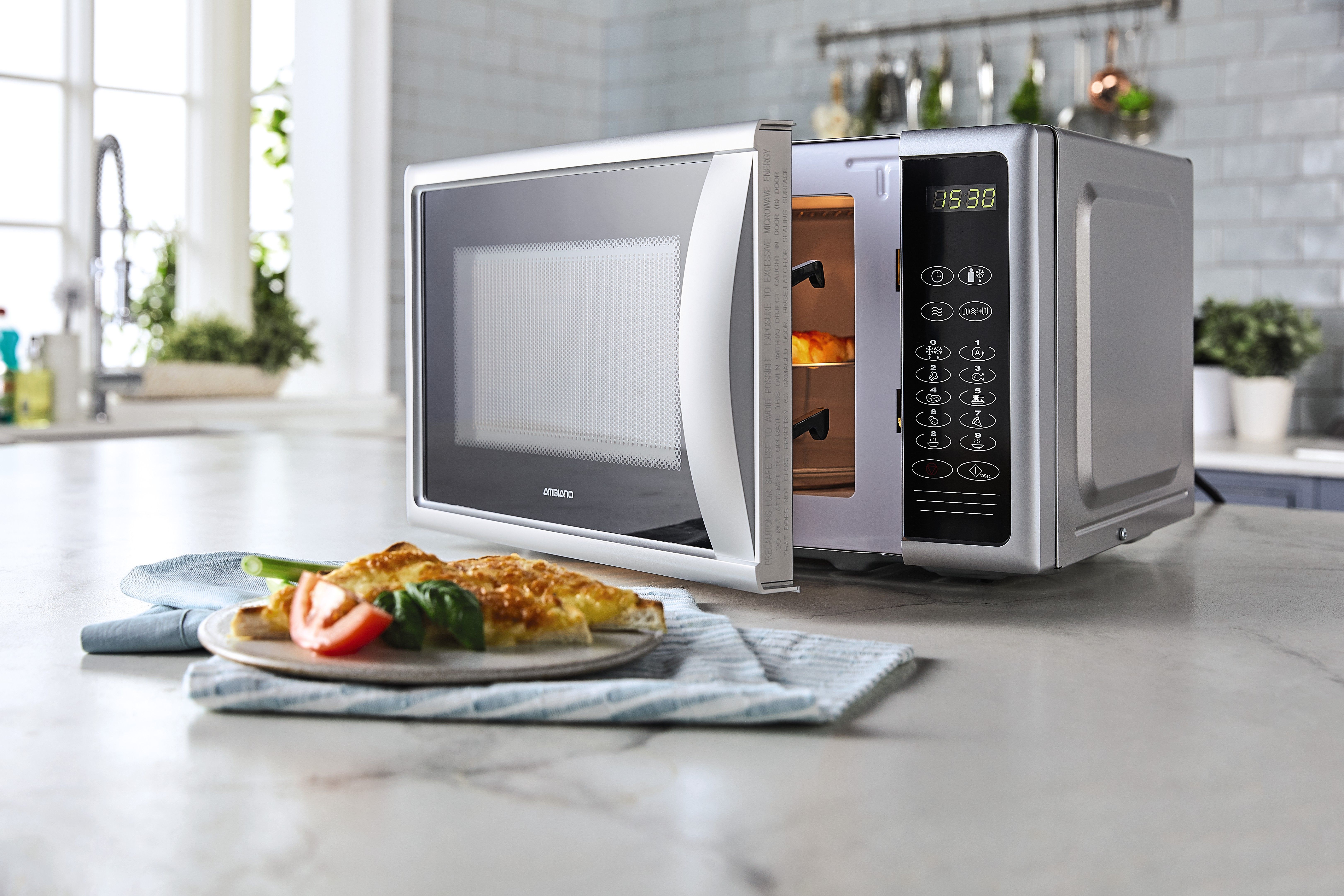
Which microwave oven should I buy?
Choosing the right microwave oven is crucial for efficient cooking. First, consider your cooking needs and habits. Do you need a microwave primarily for reheating and defrosting, or do you want features like baking and grilling? Some microwaves come with convection settings, which can mimic a traditional oven. Others might include smart sensors and auto-cook menus for convenient cooking.
Space is another key factor when selecting a microwave oven. Measure the counter or built-in space where you plan to place it. Compact models are great for smaller kitchens, while larger units offer more cooking capacity. Over-the-range microwaves save counter space and include ventilation features. Built-in microwaves provide a seamless look but may require professional installation.
Understanding the different types of microwave ovens can help in making an informed decision. There are mainly three types: solo, grill, and convection. Solo microwaves are basic models suitable for simple tasks. Grill microwaves can handle grilling, toasting, and simple baking. Convection microwaves are the most versatile, combining microwave and convection functions for more advanced cooking.
It’s helpful to compare various microwave ovens based on their features and customer reviews. Popular brands like Panasonic, Samsung, and LG offer reliable appliances with a range of features. Here’s a quick comparison of some key attributes:
- Power wattage – affects cooking speed
- Capacity – measured in liters, varies based on family size
- Extra features – like child lock and smart sensors
- Price range – varies from budget to high-end models
Reading user reviews can give insight into reliability and user satisfaction. This way, you can choose a microwave that fits both your cooking needs and budget.
Determining Your Cooking Needs
Understanding what you plan to use your microwave for is the first step. If you often reheat leftovers or make popcorn, a basic solo microwave oven might be enough. But if you enjoy baking or roasting, a convection microwave with advanced features will suit you better. Some microwaves come with specific settings for defrosting, reheating beverages, and cooking pizza. Consider what cooking tasks you perform most frequently.
Family size also plays a role in determining the right microwave. A larger family might need a microwave with a bigger capacity. For instance, a 30-liter microwave is ideal for a family of four or more. Smaller families or single individuals might be content with a 20-liter model. Matching the oven’s capacity to your household ensures efficiency and convenience.
A detailed list of essential microwave features can help narrow down your options. Key features include:
- Auto-cook menus
- Power levels and wattage
- Child lock functions
- Turntable or flatbed design
- Grill and convection options
Knowing which features align with your cooking needs helps in making a well-informed choice.
Considering the available cooking modes is also important. Convection microwaves offer baking and grilling modes, while solo microwaves are limited to basic heating. Some models feature steam cooking for healthier meals. They might also come with smart sensors to adjust cooking times automatically. Evaluating these modes ensures you pick a microwave tailored to your culinary needs.
Assessing Your Kitchen Space
Before choosing a microwave oven, it’s crucial to evaluate your kitchen space. Measure the area where you plan to place the microwave, considering both width and height. Countertop microwaves are ideal for flexible placement but require sufficient counter space. Built-in models provide a cleaner look by integrating with cabinetry, though they may need professional installation. Over-the-range microwaves save counter space while incorporating ventilation features.
Think about the overall layout of your kitchen. Will the microwave placement interfere with your workflow? You want to ensure the door opens easily without hitting other appliances or cabinets. Consider the distance to the nearest electrical outlet. Ensuring proper placement avoids overcrowding and retains a functional kitchen layout.
Different kitchen setups require different microwave setups. For small kitchens, compact microwaves are a practical choice. They occupy less space but may have limited capacity. Larger kitchens can accommodate full-sized microwaves or even double-oven combos. Matching the microwave size to your kitchen’s dimensions ensures a seamless fit.
Here’s a quick table to help you decide:
| Microwave Type | Ideal For | Space Requirement |
|---|---|---|
| Countertop Microwave | Flexible Placement | Ample Counter Space |
| Built-in Microwave | Seamless Look | Cabinet Space |
| Over-the-Range Microwave | Saving Counter Space | Space Above Range |
Evaluating these factors helps ensure your microwave fits both your kitchen space and functional needs.
Distinguishing Types of Microwave Ovens
Understanding the different types of microwave ovens can greatly aid in selecting the right one for your home. The primary types include solo, grill, and convection microwaves. Solo microwaves are basic models designed for simple tasks like reheating and defrosting. Grill microwaves add the capability to grill foods, giving them a nice, crispy finish. Convection microwaves, however, combine microwave and convection cooking, offering the most versatility for various cooking methods.
Solo microwaves are the most straightforward and budget-friendly option. They typically come with basic features such as multiple power levels and simple controls. These are best suited for individuals or small families looking for efficient reheating and defrosting capabilities. They are also generally smaller and can fit easily on most kitchen counters. However, they lack the advanced cooking features found in more expensive models.
Grill microwaves offer additional functionality, allowing you to grill foods in addition to the standard microwave operations. This type features heating coils that make it easier to grill meat and vegetables. They often provide a better texture for foods like sandwiches and pizzas. Grill microwaves can be a good middle-ground option for someone wanting more than just reheating. Still, their cooking capabilities are limited compared to convection models.
Convection microwaves stand out due to their advanced cooking functions. These models use a fan to circulate heat, making them capable of baking, roasting, and broiling. A convection microwave can essentially replace a traditional oven in many kitchens. They often come with pre-set cooking modes, smart sensors, and digital controls. Though they are typically more expensive, their versatility makes them worth the investment for serious cooks.
Let’s look at a quick comparison to illustrate these differences:
| Microwave Type | Main Use | Key Features |
|---|---|---|
| Solo Microwave | Basic Reheating and Defrosting | Multiple power levels, simple controls |
| Grill Microwave | Grilling and Crisping | Heating coils, grilling options |
| Convection Microwave | Baking, Roasting, and Broiling | Fan circulation, pre-set modes, smart sensors |
Choosing between these types depends on your specific cooking needs and budget. Evaluating their features helps determine which microwave type aligns best with your lifestyle.
Key Features to Consider When Buying a Microwave
When shopping for a microwave, certain features can significantly enhance your cooking experience. One essential feature is power wattage. Higher wattage means faster cooking times, making it easier to prepare meals quickly. Most microwaves range from 600 to 1200 watts. Choose a model with at least 800 watts for efficient cooking.
Another key consideration is the microwave’s capacity, typically measured in liters. For a single individual or a small family, a 20 to 25-liter microwave suffices. Larger families might require 30 liters or more to accommodate bigger dishes. It’s crucial to match the oven’s capacity with your cooking needs to ensure convenience. This ensures you won’t struggle with fitting cookware inside.
Modern microwaves come with various cooking presets and smart features. Look for models with auto-cook menus that simplify the cooking process. Smart sensors can automatically adjust power levels and cooking times based on the food’s moisture content. Features like child safety locks and interior lights add convenience. These extras can make daily cooking much more straightforward.
Consider the type of control panel and interface. Microwaves usually come with either mechanical dials or digital controls. Digital panels offer precise settings and may include touch screens for easier navigation. Mechanical dials are straightforward and often more durable. Your preference will depend on how you like to interact with your appliances.
Several microwaves also come with additional accessories or functions. Some might include grilling racks or convection trays. Advanced models might offer steam cooking or air frying options. Having these accessories can expand the range of dishes you can prepare, adding value to your microwave.
Remember:
- Power wattage: 600-1200 watts
- Capacity: 20-30+ liters
- Auto-cook menus and smart sensors
- Control interface: digital or mechanical
- Additional accessories: grilling racks, steam trays
These features can guide you in selecting a microwave that meets your needs and enhances your culinary skills.
Popular and Highly Rated Microwave Brands
Several brands consistently receive high ratings for their microwave ovens. Panasonic is well-known for its reliable and versatile models. Many of their microwaves feature inverter technology, ensuring even cooking and defrosting. Panasonic models often include sensor cooking, which adjusts the power and cooking time for optimal results. This brand is favored for its balance of quality and innovation.
Samsung is another top contender in the microwave market. Samsung microwaves are celebrated for their sleek designs and advanced features. Many models come with ceramic enamel interiors, which are easy to clean and highly durable. You can find smart settings and auto-cook programs that simplify meal preparation. Samsung offers a range of options, from basic models to feature-packed units.
LG is also a popular choice among consumers. LG microwaves are known for their high-performance and modern technology. Many models feature the EasyClean interior, making cleaning straightforward. LG microwaves often come with sensor cook technology and various power levels. The brand’s commitment to innovative features and user-friendly designs makes it a strong competitor.
To help you compare, here’s a quick table highlighting some key features and ratings of these brands:
| Brand | Key Features | Average Rating |
|---|---|---|
| Panasonic | Inverter technology, sensor cooking, even defrosting | 4.5/5 |
| Samsung | Ceramic enamel interior, smart settings, auto-cook | 4.6/5 |
| LG | EasyClean interior, sensor cook, multiple power levels | 4.4/5 |
Exploring these brands can help you find a microwave that fits your specific needs. Their products are well-regarded for durability, performance, and a range of advanced features.
Frequently Asked Questions
Choosing the right microwave can be challenging. Here are some common questions to help you make an informed decision.
1. What size microwave should I buy for my kitchen?
The size of your microwave depends on your cooking needs and available space. A compact microwave is ideal for small kitchens and basic reheating tasks. For larger families or if you cook bigger meals, a mid-size or full-size model with 30 liters capacity might be better.
Remember to measure the designated spot in your kitchen before making a purchase. You should also ensure there’s enough ventilation space around the microwave, especially for built-in or over-the-range models.
2. Is a convection microwave better than a regular one?
A convection microwave offers more versatility compared to a regular solo microwave. It combines standard microwaving with convection heating, allowing you to bake, roast, and crisp foods. This makes it suitable for more complex cooking tasks beyond simple reheating.
If you love baking or roasting, then investing in a convection model makes sense despite its higher cost. Otherwise, if you mainly need it for quick fixes like defrosting and reheating, a basic solo model could suffice.
3. How do I maintain my microwave oven?
Maintaining your microwave oven is relatively easy but crucial for its longevity and hygiene. Regularly clean the interior with a damp cloth to remove food splatters and stains before they harden. Using a bowl of water with lemon slices boiled inside can help loosen grimy build-up.
Avoid using abrasive cleaners that could damage surfaces; instead, opt for mild soap solutions and microfiber cloths. Ensure that the vents are kept clear of debris and never operate an empty microwave as it can cause damage.
4. Are there any safety features I should look for in a microwave?
Yes, safety features are important when choosing a new microwave oven. Look for child lock functions if there are young kids at home; this prevents accidental operation by little hands. Additionally, automatic shut-off features help avoid overheating and save energy.
Ventilation systems are vital too, especially if you’re opting for an over-the-range model which doubles as an exhaust fan above your stove. These functionalities can provide peace of mind while enhancing user experience safely.
5. Can smart microwaves really improve my cooking experience?
Smart microwaves come equipped with various advanced technologies designed to enhance convenience in the kitchen significantly. Features like Wi-Fi connectivity allow control via smartphone apps so you can start dinner while finishing other tasks elsewhere at home.
Their voice assistant integrations enable operational commands through platforms such as Amazon Alexa or Google Assistant without even pressing buttons! Furthermore built-in sensors adjust power levels based on food type ensuring perfectly cooked meals every time making them worth considering despite their slightly higher price tags upfront!
Conclusion
Choosing the right microwave oven hinges on understanding your specific cooking needs and available kitchen space. With options like solo, grill, and convection microwaves, there’s something for every type of cook. It’s essential to evaluate key features such as wattage, capacity, and smart functionalities to ensure you make the best choice.
Popular brands like Panasonic, Samsung, and LG offer reliable options with varied features and price ranges. By considering the factors we’ve discussed, you can confidently invest in a microwave that suits your lifestyle and enhances your culinary experience. Happy cooking!

Maksuda Khanam is a passionate home appliance expert and the primary author behind KitchenMarts.com