As an Amazon Associate I earn from qualifying purchases.
How Do Electric Tea Kettles Work?
How Do Electric Tea Kettles Work? Electric tea kettles work by passing electricity through a resistive heating element immersed in water, converting electrical energy into heat. The element rapidly boils the water, and a thermostat detects steam to automatically shut off the kettle at boiling point.
Basic Principle of Operation
Electric tea kettles convert electrical energy into heat via Joule heating. A high-resistance coil or disc at the base heats up when current flows through it, transferring heat directly to the water.
This immersion method minimizes energy loss, achieving 80-81% efficiency—far superior to stovetop methods (around 70%) or microwaves (about 50-67%).
Typical kettles use 1200-3000 watts, boiling 1 liter of water in 2-5 minutes.
For a detailed explanation of the science, visit Explain That Stuff.

iplusmile Heating Element for Electric Kettles Easy Replacement Burn Prevention Household Appliance Heat Element for Heating – Amazon.com
Heating Element in a Typical Electric Kettle
Key Components
Modern electric kettles feature these essential parts:
- Heating Element: Concealed coil or flat disc (often stainless steel) with high resistance for rapid heating.
- Thermostat: Bimetallic strip or sensor that detects steam and triggers shut-off.
- Power Base (in cordless models): 360-degree connector supplies power without a fixed cord.
- Boil-Dry Protection: Secondary sensor prevents operation without water.
This diagram illustrates the internal components and wiring of an electric kettle, showcasing how its functionality is achieved. The system begins with the On/Off switch, which activates the circuit, allowing current to
Internal Diagram Showing Key Components
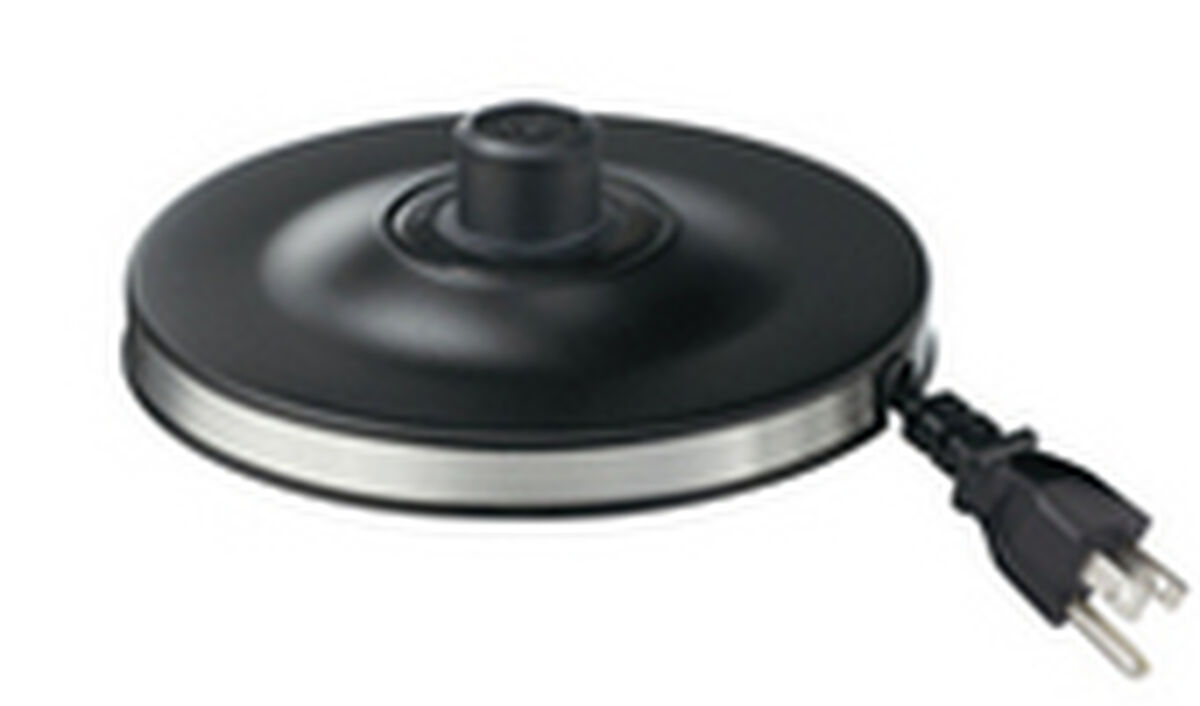
Cuisinart Base for PerfecTemp Cordless Electric Kettle CPK-17BA
Cordless Kettle Power Base
How the Auto Shut-Off Works
Steam from boiling water travels through a tube to a bimetallic disc. The disc bends due to heat from two metals expanding differently, breaking the circuit and turning off the kettle.
This steam-based system works reliably even at varying altitudes. Many models include boil-dry protection for added safety.
Learn more about the engineering behind auto shut-off from Ingenia.
Types of Electric Kettles
| Type | Features | Best For |
|---|---|---|
| Standard Jug | Basic boil, auto shut-off | Everyday tea/coffee |
| Variable Temperature | Presets (e.g., 175°F for green tea) | Specialty teas, pour-over coffee |
| Gooseneck | Precise spout | Pour-over brewing |
| Glass/Stainless Steel | Aesthetic, durable | Modern kitchens |
Cordless models dominate for convenience, with the kettle lifting off a powered base.
Energy Efficiency and Statistics
Electric kettles reach up to 81% efficiency, outperforming gas/electric stoves.
- Boiling 1 liter uses about 0.04-0.1 kWh.
- Overfilling wastes energy—studies show households could save significantly by boiling only needed amounts.
- In the U.S., kettles save time and energy compared to stovetops.
The U.S. Department of Energy recommends electric kettles for efficient water boiling .
Safety Features
- Auto Shut-Off: Prevents overboiling.
- Boil-Dry Protection: Cuts power if empty.
- Cool-Touch Exterior: Reduces burn risk.
- Stable Base: Prevents tipping.
These features make electric kettles safer than stovetops.
FAQ
How long do electric tea kettles take to boil water? Typically 2-5 minutes for 1-1.7 liters, depending on wattage and volume.
Are electric kettles more efficient than stovetop? Yes—up to 81% efficient vs. 70% for stovetop, with less heat loss.
Why does my electric kettle shut off automatically? A bimetallic thermostat detects steam and breaks the circuit at boiling point.
Can electric kettles boil liquids other than water? No—designed for water only; other liquids may damage the element or affect safety.
How do cordless electric kettles get power? Through electrical contacts in the base that connect when placed on it.
Final Thoughts
Electric tea kettles combine simple physics with smart engineering for fast, efficient, and safe boiling. Their high efficiency and features like precise temperature control make them essential for daily use, saving time and energy while enhancing beverage quality. Choose models with variable settings for optimal results across teas and coffees.

Maksuda Khanam is a passionate home appliance expert and the primary author behind KitchenMarts.com