
As an Amazon Associate I earn from qualifying purchases.
How Do Electric Lunch Boxes Work?
How Do Electric Lunch Boxes Work? Electric lunch boxes are portable food warmers that use electricity to heat pre-cooked meals via built-in heating elements, typically reaching 140–170°F in 20–60 minutes. They plug into wall outlets, car adapters, or use rechargeable batteries for cordless operation.
Core Mechanism of Electric Lunch Boxes
Electric lunch boxes function through conduction and convection heating. A heating plate or coil at the base transfers heat directly to a removable stainless steel or aluminum container holding the food.
- PTC (Positive Temperature Coefficient) elements commonly regulate temperature, automatically reducing power as it rises to prevent overheating.
- Power ranges from 60–100W, far less than a microwave’s 800–1200W, ensuring energy efficiency.
- Most models maintain constant temperatures around 150–170°F, ideal for reheating without drying food.
For steam-based variants, a small water reservoir generates moisture for even heating.


Types of Electric Lunch Boxes
Electric lunch boxes vary by power source and design:
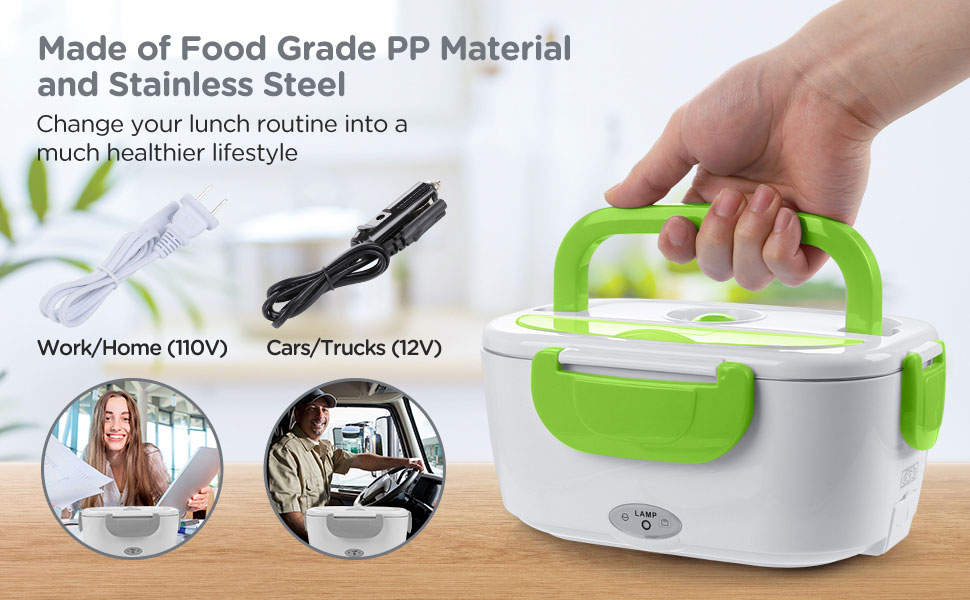
- Plug-in Models — Connect to 110–220V outlets or 12V/24V car adapters. Ideal for offices or vehicles.
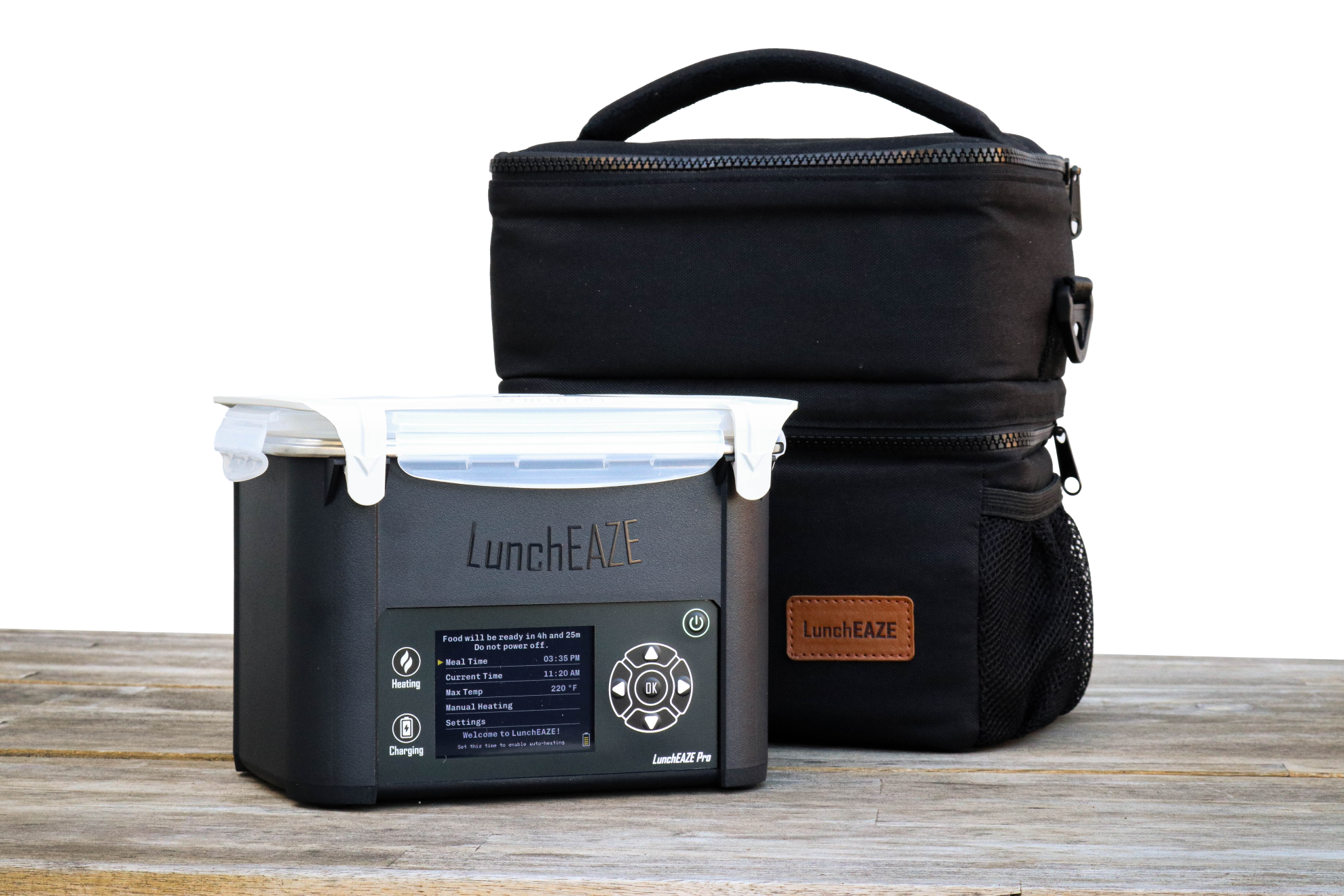
- Cordless/Battery-Powered — Use rechargeable lithium-ion batteries for true portability, with scheduled auto-heating.
- Steam-Heating Models — Add water for moist results, suitable for rice or veggies.
- Multi-Compartment — Feature separate trays for balanced meals.
Popular 2025 options include Crock-Pot for reliability and LunchEAZE for smart cordless features.

Heating Process Step-by-Step
Follow these steps to use an electric lunch box:
- Pack pre-cooked food in the inner container.
- Plug in (or set timer on cordless models).
- Heat for 20–50 minutes; stir midway for evenness.
- Unplug and enjoy hot food.
Advanced models auto-start heating for meal-time readiness.
In use scenarios:

Market Insights and Statistics
The global electric lunch box market exceeded USD 1 billion in 2023, projected to grow at 4–7% CAGR through 2032, driven by health-conscious consumers preferring home-cooked meals.
- Over 55% of users are office workers and students seeking microwave alternatives.
- Asia-Pacific dominates due to urban lifestyles and manufacturing.
Learn more about market trends from Global Market Insights.
Safety Features and Tips
Modern electric lunch boxes prioritize safety:
- Auto shut-off and temperature controls prevent overheating.
- Leak-proof seals and BPA-free materials ensure food safety.
- External surfaces stay cool to touch.
Safety Tips:
- Use grounded outlets.
- Avoid immersing the base in water.
- Opt for UL-certified models.
- Heat only pre-cooked food to avoid bacterial risks.
Details on safety standards available via Consumer Reports.
FAQ
How long does it take to heat food in an electric lunch box? Typically 20–50 minutes, depending on food volume and starting temperature.
Can electric lunch boxes cook raw food? Most reheat only; higher-power models may handle light cooking, but check specifications.
Are they energy-efficient? Yes, consuming 60–100W versus microwaves’ higher draw, lowering costs for daily use.
Safe for car or truck use? Many include 12V/24V adapters; cordless options offer ultimate flexibility.
How to clean an electric lunch box? Removable containers are dishwasher-safe; wipe the heating base with a damp cloth.
Final Thoughts
Electric lunch boxes transform daily meals by delivering hot, homemade food anywhere, promoting healthier eating and savings over takeout. With advancing battery tech and smart features, they suit modern on-the-go lifestyles perfectly. Choose based on power needs and portability for optimal results.

Maksuda Khanam is a passionate home appliance expert and the primary author behind KitchenMarts.com