As an Amazon Associate I earn from qualifying purchases.
Does the Coffee Grinder Matter?
Does the Coffee Grinder Matter? Yes, absolutely—the type and quality of your coffee grinder significantly impact flavor, with burr grinders far outperforming blade grinders for consistent particle size and better extraction.
Why Fresh Grinding Elevates Coffee in 2025
U.S. coffee consumption hit a 20-year high in 2025, with 66% of adults drinking coffee daily—outpacing any beverage except water—per the National Coffee Association’s 2025 report. Daily specialty coffee intake reached 46%, up 84% since 2011.
Grinding fresh unlocks volatile compounds lost in pre-ground coffee. Uniform grounds ensure even extraction, avoiding muddy or sour notes.


How Grinder Type Affects Flavor
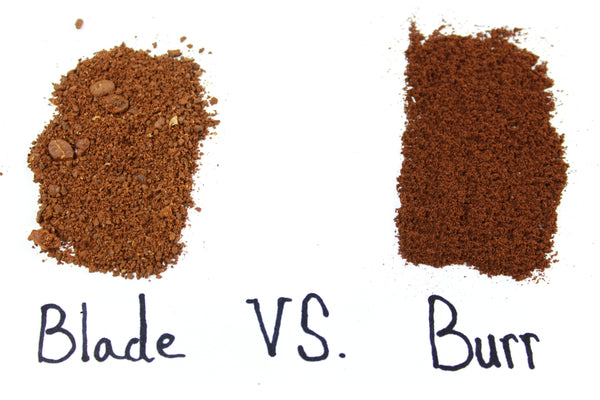
Inconsistent grounds cause uneven extraction: fines over-extract (bitter), boulders under-extract (sour). Uniformity yields balanced, nuanced taste.
Experts like Serious Eats emphasize burr grinders produce even particles, while blade grinders create “boulders and fines.
Key impacts:
- Better clarity — Highlights origin notes.
- Controlled extraction — Targets SCA’s 18-22% yield.
- Less heat damage — Preserves delicate aromatics.
:max_bytes(150000):strip_icc()/__opt__aboutcom__coeus__resources__content_migration__serious_eats__seriouseats.com__2019__02__20190206-coffee-grinder-vicky-wasik-grinds-comparison-1500x1125-b2d47dd44c0d408cabae9d91b262a533-72acbe342c714d41aa3febf61b65ad69.jpg)
Burr vs Blade Grinders: Key Differences
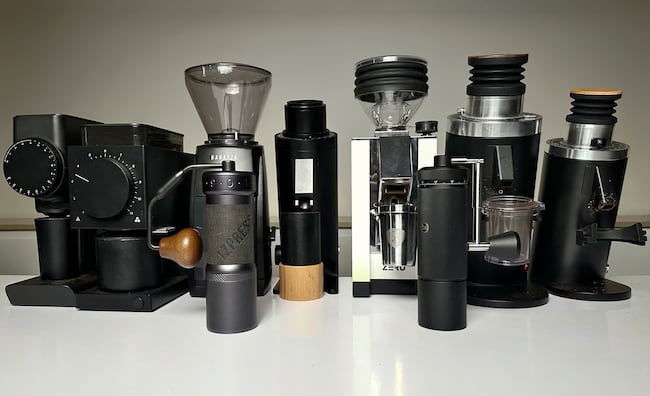
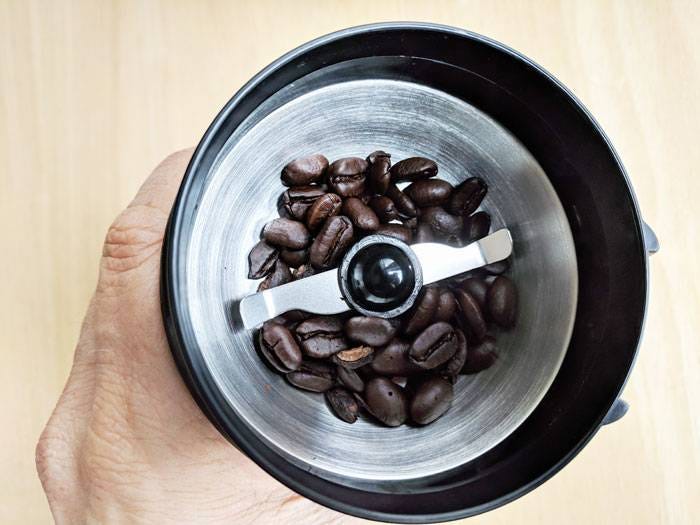
Burr grinders crush beans between abrasive surfaces for precision. Blade grinders chop like a blender, yielding random sizes.
Burr Advantages
- Uniform particle size.
- Adjustable settings for brew methods.
- Minimal heat buildup.
- Quieter operation.
Blade Drawbacks
- Inconsistent grounds.
- Heat degrades flavors.
- No precise control.
- Louder and dustier.
Conical burrs suit home use (cooler, quieter); flat burrs excel in precision but generate more heat.
| Feature | Burr Grinder | Blade Grinder |
|---|---|---|
| Particle Consistency | High (uniform) | Low (boulders + fines) |
| Flavor Outcome | Balanced, nuanced | Muddy, bitter/sour |
| Heat Generation | Low | High |
| Adjustability | Precise (stepped/stepless) | None (time-based) |
| Price Range | $100–$500+ | $20–$50 |
| Best For | Enthusiasts, all methods | Budget, basic drip |
Serious Eats and coffee pros unanimously favor burrs for superior taste.
:max_bytes(150000):strip_icc()/sea-primary-coffee-grinders-oct-24-nsimpson-207-b439c1ef1a674697b2825604e5321d5c.jpeg)
When a Blade Grinder Might Suffice
Blade models work for casual pre-ground upgrades but fall short for pour-over, French press, or espresso. Save for a burr if flavor matters.
Maintenance for Optimal Performance
Clean burrs regularly to avoid rancid oils. Brush chambers; use tablets monthly. Blade units clean easier but clog faster.
FAQ
Does coffee grinder type really affect taste? Yes—burr grinders deliver consistent grounds for balanced extraction and superior flavor.
Are blade grinders worth it? Better than pre-ground for freshness, but burrs provide noticeable improvement.
What’s the best grinder type for home use? Conical burr for versatility and low heat.
How much should I spend on a grinder? $150–$300 for reliable entry-level burrs.
Can inconsistent grounds ruin coffee? Yes—leads to over/under-extraction and muted flavors.
Final Thoughts
With 66% of Americans drinking coffee daily in 2025 and specialty consumption soaring, grinder quality directly influences enjoyment. Burr grinders unlock full bean potential through uniformity and control—essential for great coffee. Blade options offer budget entry, but upgrading to burr transforms your brew. Prioritize grind consistency for richer, more flavorful cups.

Maksuda Khanam is a passionate home appliance expert and the primary author behind KitchenMarts.com