As an Amazon Associate I earn from qualifying purchases.
Do Electric Tea Kettles Use a Lot of Electricity?
Do Electric Tea Kettles Use a Lot of Electricity? No, electric tea kettles do not use a lot of electricity—typically 0.07-0.1 kWh per full boil, costing 1-3 cents at average rates—thanks to high efficiency (80%+) and short run times, making them more efficient than stovetop or microwave alternatives.
Power Consumption Basics
Electric kettles draw high power but operate briefly.
- Average wattage: 1200-1500W (some up to 3000W in high-voltage regions).
- Boil time for 1 liter: 3-5 minutes.
- Energy per boil: 0.07-0.1 kWh for full capacity; ~0.05 kWh for one cup.
This short duration keeps total usage low despite peak draw.
:max_bytes(150000):strip_icc()/Testing_SusteasStovetopWhistling_Fred-Hardy_0205-3f61821dbf9548508f4ab0b864c7d381.jpg)
:max_bytes(150000):strip_icc()/Food_Wine-ZwillingEffinigyCoolTouch-JenniferCausey-042204-1bd0a4bbb9874e009416d83bf79ea31e.jpg)
Efficiency Comparison
Electric kettles outperform other methods.
Energy to boil ~350ml-1L water:
- Electric kettle: 0.04-0.1 kWh (81% efficient).
- Microwave: 0.07 kWh (47-67% efficient).
- Electric stovetop: 0.11 kWh (30-70% efficient).
Direct immersion heating minimizes loss.
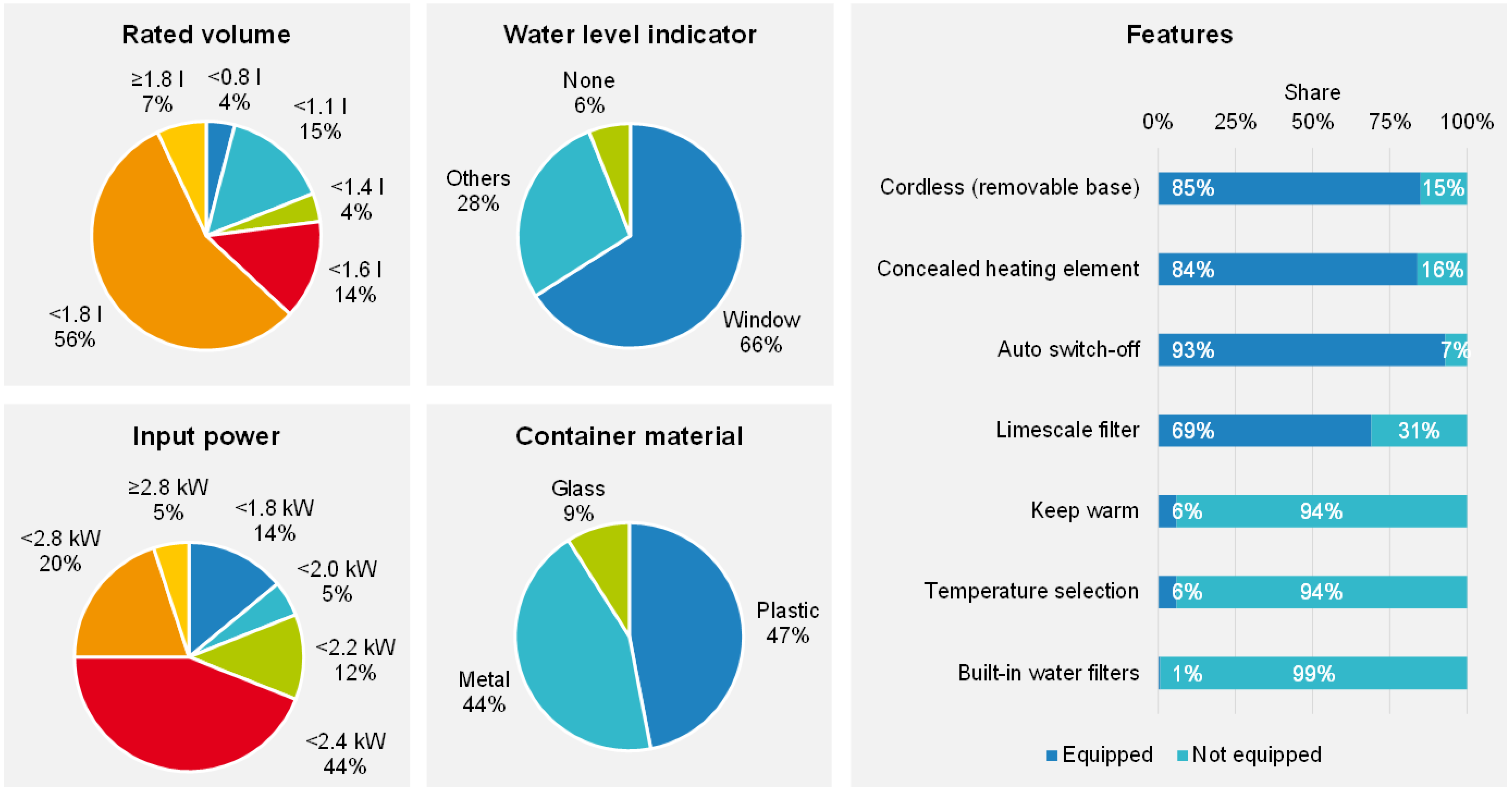

protonsforbreakfast.wordpress.com
For detailed tests, see TreeHugger’s efficiency comparison.
Cost Breakdown
Costs remain minimal with frequent use.
Per boil (average 0.075 kWh):
- US (~$0.15/kWh 2025 average): ~1 cent.
- UK (~£0.26/kWh): ~2 pence.
Daily (5 boils):
- Monthly: $1.50-3 (US); £3-6 (UK).
- Annual: Under $20-40 for heavy users.
Overfilling adds waste—boil only needed amount.
Factors Affecting Usage
Variables influence consumption.
Key impacts:
- Volume: Full load uses more but efficient per liter.
- Starting temperature: Cold water requires more energy.
- Model features: Variable temp or keep-warm increases slight usage.
- Descaling: Limescale buildup raises consumption 10-20%.
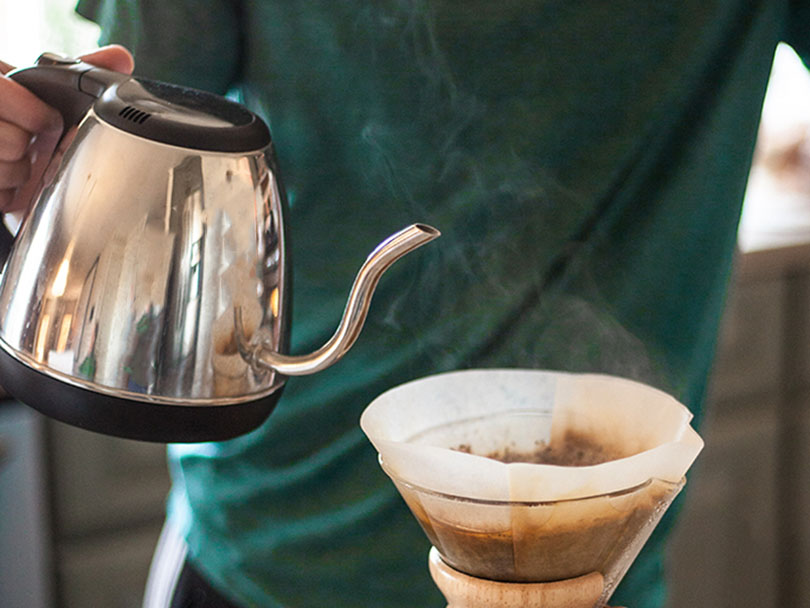
Gooseneck models offer precision without extra energy.
:max_bytes(150000):strip_icc()/Fellow_Stagg_EKG_04-6f4d38e92c2f426e9b403754a9f4482b.jpg)
Energy Comparison Table
| Method | Energy per Boil (kWh) | Efficiency (%) | Cost per Boil (US cents) |
|---|---|---|---|
| Electric Kettle | 0.04-0.1 | 80-81 | 1-2 |
| Microwave | 0.07 | 47-67 | 1-2 |
| Electric Stove | 0.11 | 30-70 | 2 |
| Gas Stove | Similar thermal | 40 | Varies by gas rate |
Data from 2024-2025 studies.
Explore more in Fellow’s efficiency guide.
FAQ
Do electric kettles use more electricity than a microwave? No—kettles use less for equivalent boiling due to higher efficiency.
How much does it cost to boil a kettle daily? 1-3 cents per boil; $10-30 annually for 4-5 daily uses.
Are high-wattage kettles less efficient? No—faster boil offsets higher draw; total kWh similar.
Can electric kettles raise my bill significantly? Unlikely—represent <5% of household usage for most.
Tips to reduce usage? Boil exact amount, descale regularly, use eco models.
See Wirecutter’s kettle reviews for efficient picks.
Final Thoughts
Electric tea kettles consume little electricity overall due to rapid, efficient heating—far better than alternatives for boiling water. Minor costs and environmental impact make them practical for daily use. Focus on habits like minimal filling for optimal savings.

Maksuda Khanam is a passionate home appliance expert and the primary author behind KitchenMarts.com