As an Amazon Associate I earn from qualifying purchases.
Can You Make Any Recipe Gluten Free?
Can You Make Any Recipe Gluten Free? Yes, most recipes can be adapted to be gluten-free with the right substitutions, adjustments, and techniques, though some—especially yeast breads and laminated pastries like croissants—are more challenging and often yield better results using dedicated gluten-free recipes.
Feasibility of Adapting Recipes to Gluten-Free
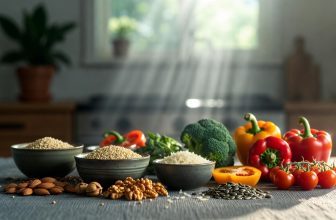
Many traditional recipes convert successfully to gluten-free versions by swapping wheat flour and checking for hidden gluten sources. Gluten provides structure, elasticity, and rise in baked goods, so adaptations rely on gluten-free flour blends, binders, and moisture tweaks. Naturally gluten-free foods—fruits, vegetables, meats, dairy, and legumes—require minimal changes, making soups, salads, stir-fries, and grilled dishes easy.
Celiac disease affects about 1% of the US population (around 3 million people), with non-celiac gluten sensitivity impacting up to 18 million more. Strict adherence is essential, as even trace gluten causes damage.
Easy Recipes to Adapt
Simple swaps work best for recipes with low flour content or non-structural roles.
- Sauces and gravies — Use cornstarch, arrowroot, or potato starch (1:2 ratio for flour) as thickeners.
- Batters and coatings — Substitute gluten-free flour or almond meal for breading.
- Quick breads, muffins, and cookies — Replace all-purpose flour with a 1:1 gluten-free blend; add xanthan gum if not included.
- Pasta dishes — Use gluten-free pasta and ensure sauces are gluten-free.
These adaptations often taste similar or better due to added moisture and flavors from alternative flours.
For substitution guides, see King Arthur Baking’s gluten-free guide.
Challenging Recipes and Limitations
Yeast breads and laminated pastries prove difficult because gluten traps air for rise and creates flaky layers. Converted versions may turn dense, gummy, or crumbly without specialized techniques.
- Croissants and puff pastry — Nearly impossible to replicate perfectly; gluten-free versions often use alternative methods but lack traditional texture.
- Traditional yeast bread — Requires dedicated recipes with extra binders like psyllium husk and adjusted hydration.
Experts recommend starting with naturally gluten-free or flour-light recipes, then progressing to conversions using tested blends.
Explore more on tough adaptations from National Celiac Association’s converting recipes tips.
Best Practices for Successful Conversion
Follow these steps for reliable results:
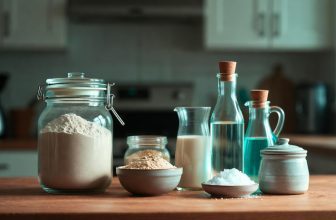
- Choose a quality 1:1 gluten-free flour blend — Options like King Arthur Measure for Measure or Bob’s Red Mill include binders.
- Add binders — Use ¼–¾ tsp xanthan gum or psyllium husk per cup of flour for structure.
- Adjust liquids — Gluten-free flours absorb more; add 1–2 tbsp extra liquid or eggs for moisture.
- Boost leavening — Increase baking powder/soda slightly for better rise.
- Check all ingredients — Avoid hidden gluten in soy sauce, broths, or malt; use certified gluten-free versions.
- Rest dough — Let batters rest 30 minutes to hydrate flours.
Weigh ingredients for accuracy, as volume measurements vary.
For detailed flour comparisons, check Beyond Celiac’s gluten-free diet resources.
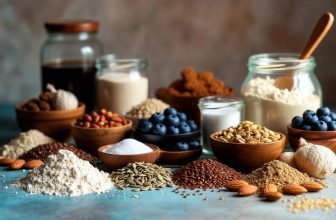
Gluten-Free Flour Substitution Table
| Flour Type | Best For | Substitution Ratio | Notes |
|---|---|---|---|
| 1:1 Gluten-Free Blend | Most baking | 1:1 | Includes xanthan; easy swap |
| Almond Flour | Cookies, cakes | 1:1 (adjust liquid) | Moist, nutty; dense results |
| Coconut Flour | Low-carb treats | ¼ cup per 1 cup | Highly absorbent; needs extra eggs |
| Oat Flour (GF) | Muffins, pancakes | 1:1 | Use certified GF oats |
| Cornstarch/Arrowroot | Thickening | ½–1:1 | Clear, glossy sauces |
FAQ
Can every single recipe be made gluten-free?
Most can, but yeast breads and laminated pastries often require dedicated gluten-free formulas for best texture.
Do I always need xanthan gum?
Not if your blend includes it; otherwise, add ¼–½ tsp per cup flour for binding.
Why do gluten-free baked goods turn out dense?
Gluten-free flours lack structure; fix with binders, extra moisture, and proper leavening.
Are naturally gluten-free recipes easier?
Yes—focus on whole foods like rice, quinoa, and veggies to avoid substitutions.
How do I know if a recipe will work well?
Start with quick breads or batters; avoid heavy yeast recipes initially.
For celiac-specific advice, visit Celiac Disease Foundation’s gluten-free foods page.
Final Thoughts
Adapting recipes to gluten-free opens endless possibilities with practice, quality ingredients, and realistic expectations. Many conversions rival or surpass originals, especially for everyday meals. Experiment confidently—your favorite dishes can thrive without gluten.

Maksuda Khanam is a passionate home appliance expert and the primary author behind KitchenMarts.com