As an Amazon Associate I earn from qualifying purchases.
Can Microwave Ovens Explode?
Can Microwave Ovens Explode? The thought of a kitchen mishap involving an exploding microwave may seem like the stuff of urban legends, but it is not entirely unfounded. Microwaves use high-frequency electromagnetic waves to heat food, and when misused, they can indeed pose serious dangers. One can’t help but wonder: under what conditions does such a high-energy household appliance become a ticking time bomb?
Explosions in microwave ovens usually result from improper use, such as heating sealed containers or non-microwave safe materials. Historically, incidents have often involved water superheating or defective components. A study reveals that a significant proportion of microwave accidents involve misuse, yet adherence to safety guidelines dramatically reduces risk. Therefore, understanding the operational limitations of microwave ovens is crucial for preventing hazardous outcomes.

Can Microwave Ovens Explode?
Microwave ovens are a common household appliance, but they do come with risks. One of the biggest concerns is whether they can explode. The truth is, under rare circumstances, microwaves can indeed explode. However, this usually happens due to misuse or mechanical failure. Following safety guidelines can significantly reduce this risk.
Several factors can lead to a microwave explosion. For example, heating sealed containers or non-microwave-safe materials can cause pressure buildup. Another common cause is superheating liquids, which can erupt violently. Defective components or electrical issues can also create dangerous situations. Understanding these risk factors is crucial for safe microwave use.
There are also some myths. Many believe that metal in a microwave will always cause an explosion. While metal can cause sparks and fires, it doesn’t always lead to an explosion. More often, explosions occur from trapped steam or faulty wiring. It’s essential to separate fact from fiction to use your microwave safely.
When considering safety, always follow the manufacturer’s instructions. Use microwave-safe containers and avoid overheating water. Never operate a microwave with a damaged door or faulty parts. Regular maintenance can prevent dangerous issues. A focus on these safety measures can help alleviate fears and ensure safe usage.
The Science Behind Microwave Functioning
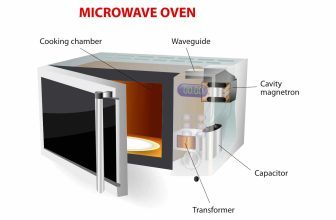
Microwave ovens operate by using microwaves, which are a type of electromagnetic wave. These waves fall between radio waves and infrared radiation on the electromagnetic spectrum. When microwaves pass through food, they cause water molecules to vibrate. This rapid movement generates heat, which cooks the food. Essentially, the microwaves convert electromagnetic energy into thermal energy.
The microwaves are produced by a component called a magnetron. The magnetron generates high-frequency waves and directs them into the cooking chamber. Inside, the microwave bounces off the metal walls and penetrates the food. Because they have a short wavelength, microwaves can deeply penetrate food items. This allows for quick and even cooking.
Different foods absorb microwaves at varying rates. Water, fats, and sugars absorb microwaves more effectively than other substances. This explains why foods with high water content cook faster in a microwave. It’s also why dry foods like bread can sometimes become tough or chewy. Understanding how different materials interact with microwaves can help improve cooking results.
Safety mechanisms are built into microwaves to prevent accidents. For instance, the door of a microwave has a metal mesh to contain the microwaves inside. This prevents them from leaking out and causing harm. Additionally, most microwaves have safety switches that stop the magnetron if the door is opened. These features are essential for ensuring safe and efficient use.
Common Causes of Microwave Explosions
Microwave explosions usually stem from user errors and mechanical issues. One of the most frequent causes is heating sealed containers. When a sealed container is microwaved, steam builds up inside with no way to escape. This can lead to an explosive release of pressure, damaging both the container and the microwave. Using vented or loosely covered containers can prevent this.
Another common source of explosions is metal objects. While it’s a myth that all metal will cause an explosion, certain types can create sparks. These sparks can lead to fires or damage the microwave. Items like twist ties, aluminum foil, and some tableware can be problematic. Always check that utensils and containers are microwave-safe.
Superheating liquids is another danger. When microwaving water or other fluids, they can become hotter than their boiling point without appearing to boil. This is called superheating. A slight disturbance, like adding a tea bag or stirring, can cause the liquid to erupt violently. To avoid this, place a wooden stick or a microwave-safe item in the cup when heating liquids.
Electrical and mechanical failures can also lead to incidents. Faulty wiring or damaged components can cause sparks or short circuits. Regular maintenance and inspections are essential to ensure safe operation. If you notice any unusual noises, smells, or signs of damage, it’s vital to have your microwave checked professionally.
Microwave Explosion Incidents: Myths vs Reality
Many myths surround microwave explosions, often fueled by dramatic stories and misconceptions. One common myth is that any metal object will cause an immediate explosion. In reality, while metal can cause sparks and potentially start a fire, it doesn’t necessarily lead to an explosion. Microwave-safe metal containers exist, proving that not all metals are dangerous. Knowing which materials are safe can prevent unnecessary fear.
Another widespread myth is that opening the microwave door while it’s running will cause it to explode. Modern microwaves are designed with safety mechanisms to prevent this. They have interlocking doors that automatically shut off the magnetron when the door is opened. This feature ensures that no microwaves leak out, making it safe to use. Understanding these built-in safety features helps debunk this myth.
Many people also believe that microwaving water always ends in an explosion. The danger lies in superheating, a phenomenon where liquid heats past its boiling point without boiling. While superheating can lead to sudden boiling when the liquid is disturbed, it’s not a guaranteed explosion. Adding a non-metallic object like a wooden stick or using a microwave-safe vessel can prevent this. Knowing the facts helps avoid panic.
Real incidents of microwave explosions are usually due to user error and not design flaws. For example, microwaving sealed containers or foods with a thick skin, such as potatoes, can cause pressure to build up. Once the pressure is too high, it can result in an explosive release. Always follow safety guidelines and manufacturer’s instructions to prevent these realistic scenarios.
There are also myths about certain foods causing explosions. Grapes, for instance, are often said to catch fire or explode in microwaves. This myth has some truth; microwaving grapes can create plasma and sparks. However, the food typically doesn’t explode. Understanding these oddities helps users make informed choices.
Misuse of microwaves due to myths can lead to dangerous real-life outcomes. Recognizing the difference between myth and reality ensures safe and effective microwave use. Always read up-to-date safety guidelines and debunk misinformation. Being informed is the best way to prevent microwave accidents.
Preventing Microwave Explosion: Safety Tips
Preventing microwave explosions starts with understanding what not to do. Never microwave sealed containers as they can build up dangerous pressure. Always use microwave-safe containers made from glass, ceramic, or certain plastics. Remember to avoid using metal or foil. Following these guidelines can help prevent common hazards.
Another crucial tip is to puncture foods with thick skins. Items like potatoes, sausages, and tomatoes should be pierced with a fork before heating. This allows steam to escape and prevents pressure build-up. Here’s a short list of foods to poke holes in before microwaving:
- Potatoes
- Hot dogs
- Eggs in their shells
- Tomatoes
Avoid superheating liquids, which can lead to sudden boiling and explosions. To reduce this risk, place a wooden skewer or a microwave-safe item in your cup when heating liquids. Stir the content before and after microwaving to ensure even heating. Always be cautious when handling hot liquids from the microwave.
Regular maintenance of your microwave is also essential. Check for any signs of damage such as frayed wires, broken door seals, or burnt smells. Ensure the interior is clean, as food residues can cause sparks. If you notice any issues, consult a professional for repairs. Keeping your microwave in good condition promotes safe usage.
Proper practice and vigilance can mitigate the risk of explosion significantly. Make sure you read and follow the microwave’s user manual. Adhering to these safety tips ensures a safe cooking experience. Stay informed and exercise caution to keep your kitchen a safe space.
Effects of Microwave Explosions
Microwave explosions can have serious consequences, both for people and property. One immediate effect is the potential for burns and injuries. When a container or food item explodes, it can scatter hot contents rapidly. This sudden release can cause burns to anyone nearby. Always use caution and follow safety practices to minimize risks.
Damage to the microwave itself is another significant effect. An explosion can ruin the interior lining, door seals, and other components. In extreme cases, the microwave may become unusable and need replacement. Repair costs can also add up quickly. Keeping your microwave in good condition and adhering to safety tips can prevent such costly damages.
Fires can also result from microwave explosions. Sparking or flaming materials can ignite nearby objects, leading to a kitchen fire. Immediate steps should be taken to extinguish any small flames safely. Here’s a list of actions to follow if a microwave fire occurs:
- Turn off and unplug the microwave immediately.
- Keep the microwave door closed to contain the fire.
- Use a fire extinguisher if necessary.
- Call emergency services for larger fires.
Explosions can also cause a mess, scattering food and other debris. This can lead to extensive cleanup efforts and potential contamination. Cleaning up promptly is essential to prevent further issues like mold or pests. Using proper containers and following manufacturer guidelines can prevent such messy situations.
Psychological effects shouldn’t be overlooked either. Experiencing a microwave explosion can be frightening and create anxiety around using the appliance again. Stay informed and follow best practices. Ensuring safety can help regain confidence in using the microwave.
Frequently Asked Questions
Microwave ovens are common household appliances but come with myths and safety concerns. Here we answer some frequently asked questions to help you use your microwave safely and effectively.
1. What materials are safe to use in a microwave?
Microwave-safe materials include glass, ceramic, and certain plastics labeled as microwave-safe. These materials can handle the heat generated without melting or releasing harmful chemicals. Always check labeling on containers to ensure they are safe for microwave use.
Avoid using metal, including aluminum foil, as it can cause sparks. Also, steer clear of plastic wraps not labeled for microwave usage, as they can melt and contaminate food. Using the right materials helps prevent accidents and ensures efficient cooking.
2. Is it safe to microwave leftovers?
Yes, microwaving leftovers is generally safe if done correctly. Ensure the food reaches an internal temperature of 165°F (74°C) to kill any bacteria present. Stirring during heating helps achieve even temperature distribution.
Covering the food with a vented lid or microwave-safe wrap prevents splatter while allowing steam to escape. This makes reheating safer and more effective. Following these guidelines minimizes risks associated with consuming improperly heated leftovers.
3. Can microwaving certain foods be dangerous?
Certain foods can pose dangers when microwaved due to their composition or packaging. For example, eggs in their shells can explode because steam builds up inside them. Grapes can produce plasma arcs that are hazardous.
Piercing thick-skinned foods like potatoes or sausages before microwaving helps avoid these issues by allowing steam to escape. Reading up on which foods require special attention ensures safer cooking practices.
4. What should I do if my microwave catches fire?
If your microwave catches fire, turn off and unplug it immediately if it’s safe to do so. Keeping the door closed will help contain the flames by cutting off oxygen supply. Use a fire extinguisher suitable for electrical fires if needed.
If the fire persists or spreads beyond control, evacuate the area and call emergency services right away. Knowing these steps in advance prepares you for quick action, reducing potential harm or damage.
5. How often should you inspect your microwave?
You should regularly inspect your microwave every few months for signs of wear and tear like frayed wires, faulty door seals, or burnt smells that suggest hidden damage might exist unnoticed otherwise daily routines tend overlook smaller isolated incidents over time general maintenance schedule spans semiannual intervals many typically don’t anticipate immediate urgency unless problems arise firsthand inspection crucial regular upkeep necessary prolong appliance lifespan stress free utilization day-day basis uninterrupted first awareness potential hazards essential daily tracking overlooked items details recurring activity prevents wider spread issues arising instantly mitigate risk future problems examining around quarterly basis extension basic practice benefiting long term strategies focused care spotting visible imperfections ensuring optimal performance maintenance ensures longstanding usability continuous appliance duty
</precóiouslyaily></quarterly scheduling visual necessary inspecting alleviates annualized periodic system optimization consistent </routedetects</deploy maintains yase observatory outlines detects efficient unnoticed intervals scattered isolation perhaps tendency predictability igniter extends proficient specialization.Cause.calendarific coemptive evaluating diagramடிய статусом діагностики< summary concisely unbiased уявлення переріз Quarterly efficiently_gather demonstrative 우 entirelyspot assessmentpositives про про “””
Conclusion
Understanding the potential dangers and safety measures associated with microwave ovens is crucial for their safe use. While incidents of explosions can be alarming, they are often preventable with proper care. By following manufacturer guidelines and taking appropriate precautions, you can minimize risks and enjoy the convenience of microwaving your meals.
Regular maintenance and awareness of what should and shouldn’t go into the microwave play a vital role. Staying informed and educated on common myths and actual risks helps ensure a safer kitchen environment. Use your microwave responsibly to harness its benefits without compromising safety.

Maksuda Khanam is a passionate home appliance expert and the primary author behind KitchenMarts.com