As an Amazon Associate I earn from qualifying purchases.
Are Portable Induction Cooktops Energy Efficient?
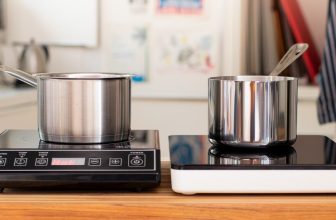
Are Portable Induction Cooktops Energy Efficient? Incredible as it may seem, portable induction cooktops can perform at an astonishing 90% efficiency, compared to gas stoves that usually fall below 50%. This higher efficiency translates to a substantial energy savings that certainly warrants a closer look. For those weighing their options, this could be a game-changer in energy conservation.
Historically, induction technology emerged in the early 20th century but gained household prominence only recently. Today, these cooktops are equipped with advanced features, allowing for precise temperature control and rapid heating. Such technological advancements bring efficiency to the forefront, making them an attractive choice for energy-conscious consumers.
Are portable induction cooktops energy efficient?
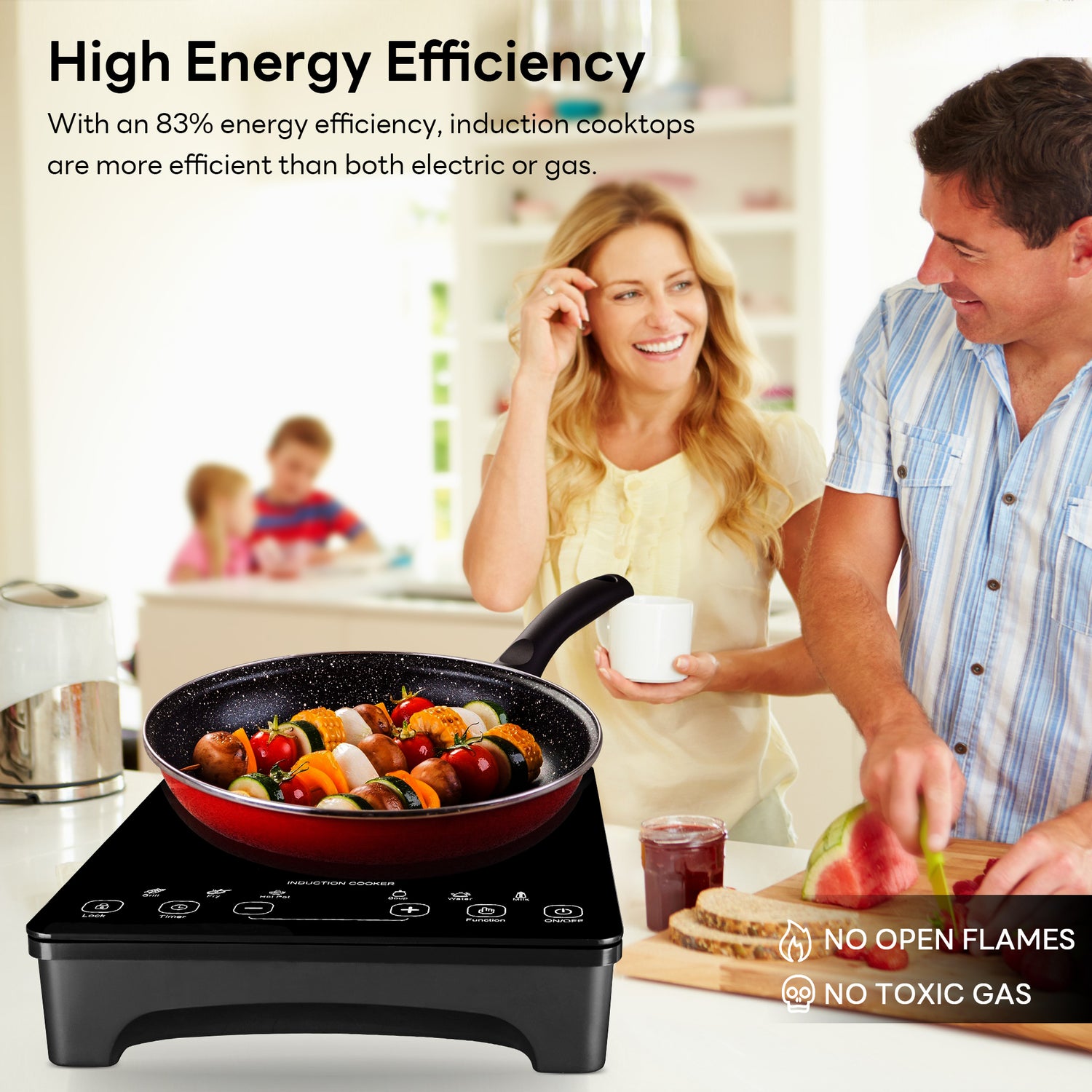
Portable induction cooktops are remarkably energy efficient. They use electromagnetic fields to directly heat pots and pans. This method allows for up to 90% of the energy to be used for cooking. In contrast, gas stoves lose a lot of energy to the surrounding air. Less heat loss means quicker cooking times, translating into energy savings.
Another key aspect of their efficiency is temperature control. Induction cooktops respond quickly to changes in temperature settings. This quick adjustment prevents energy waste. Traditional stoves often struggle to maintain precise temperatures. With induction cooktops, you get more consistent results and save energy.
Cost savings are another advantage of using induction cooktops. The higher efficiency means you use less electricity over time. This can lead to lower energy bills. Although the initial cost may be higher, the savings in electricity can offset this. Many consumers find this long-term benefit appealing.
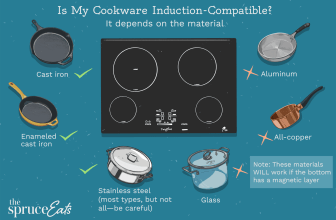
It’s worth noting that induction cooktops require compatible cookware. Pans and pots must be magnetic to work with these cooktops. This equipment investment could deter some buyers. However, many modern cookware sets are induction-friendly, making the transition easier. Ultimately, the efficiencies gained often outweigh the initial costs.
Understanding the Efficiency of Induction Cooktops
Induction cooktops work through electromagnetic fields, which heat the cookware directly. This efficient process ensures minimal energy loss. Only the pot and its contents get hot, with less heat escaping into the kitchen. This focused approach makes induction cooking fast and energy-efficient. It’s different from traditional methods that heat the entire cooktop surface.
One of the standout features of induction cooktops is their precision. They allow for exact temperature control, making it easier to follow recipes accurately. Offering a range of settings, they adjust to various cooking needs. Whether you’re simmering a sauce or boiling water, the cooktop reacts instantly. This speed is a key factor in their efficiency.
The design of induction cooktops also contributes to their energy savings. These cooktops often have smooth, flat surfaces that are easy to clean. There are no grates or coils where heat can get trapped. Such features reduce the amount of energy required for maintenance. An efficient design means less work and lower energy use.
Compatibility with cookware is an essential aspect of efficiency. Induction cooktops require magnetic pots and pans to function. Ensuring you use the right cookware can maximize energy savings. Here is a quick list of materials that work well:
- Stainless steel
- Cast iron
- Iron-based enamel
This compatibility ensures that the cooktop operates at optimal efficiency.
The Science Behind the Efficiency of Portable Induction Cooktops
Portable induction cooktops utilize the science of electromagnetism to generate heat. Instead of using a flame or electric coil, they create an electromagnetic field. This field directly heats the cookware, not the cooktop surface. This method ensures that almost all the energy is used for cooking. Less energy is wasted in heating the surrounding air.
The key component in this process is the induction coil. When electricity flows through this coil, it generates a magnetic field. If the cookware is magnetic, currents flow inside it, creating heat. This efficient transfer of energy is why induction cooktops perform so well. Traditional methods can’t match this level of direct energy use.
The speed at which induction cooktops heat cookware is another aspect of their efficiency. The electromagnetic energy transfers almost immediately to the pot or pan. This rapid heat transfer means food cooks faster. Shorter cooking times equate to lower energy consumption. Here’s a quick comparison of heating times:
| Cooking Method | Heating Time (Minutes) |
|---|---|
| Induction Cooktop | 2-3 |
| Gas Stove | 5-7 |
| Electric Stove | 7-9 |
Induction cooktops also offer unparalleled safety features. Because only the cookware gets hot, the risk of burns is lower. This makes them a safer option for families with children. Additionally, the cooktop cools down quickly once the pot is removed. These safety benefits contribute to their overall efficiency and appeal.
Comparing the Energy Efficiency: Portable Induction Cooktops VS Gas Stoves
When it comes to energy efficiency, portable induction cooktops outperform gas stoves. Induction cooktops use electromagnetic energy, which heats cookware directly. This method results in less energy wasted compared to gas stoves. Gas stoves lose a significant amount of heat to the surrounding air. The difference in efficiency is immediately noticeable in cooking times.
One significant advantage of induction cooktops is their speed. They can boil water in about half the time it takes a gas stove. This quick heating translates to less energy use overall. Here’s a quick comparison of efficiencies:
| Cooking Method | Efficiency (%) |
|---|---|
| Induction Cooktop | 85-90 |
| Gas Stove | 40-50 |
As the table shows, the difference in efficiency is substantial.
Safety is another area where induction cooktops have an edge. Since the cooktop itself doesn’t get hot, there’s less risk of burns. Meanwhile, gas stoves present several hazards, including open flames and potential gas leaks. These safety benefits make induction cooking a more attractive option for many households.
However, there are some downsides to consider. Induction cooktops require compatible, magnetic cookware. This additional cost might be a barrier for some consumers. On the other hand, most existing pots and pans can be used on gas stoves. Understanding these trade-offs helps in making an informed decision.
From an environmental perspective, induction cooktops are the greener choice. They consume less energy, leading to fewer emissions. Gas stoves, while effective, contribute to greenhouse gases. Opting for induction cooking can be a small but impactful step toward a more sustainable lifestyle.
How Energy Efficiency of Portable Induction Cooktops Can Save Money
Energy efficiency isn’t just good for the environment; it can also save you money. Portable induction cooktops use less electricity compared to other cooking methods. This can lead to noticeable savings on your energy bills over time. The high efficiency means you get more cooking done with less power. This cost-effectiveness is a major benefit for budget-conscious households.
Induction cooktops heat food faster than traditional gas stoves. Faster cooking times mean you use less energy overall. This reduction in energy use translates directly into savings. For example, boiling water on an induction cooktop is quicker, reducing energy expenditure. This efficiency is particularly beneficial for frequent cooks.
Lower energy consumption isn’t the only way to save money. Induction cooktops also reduce the need for kitchen ventilation. Less heat is released into the kitchen, minimizing the workload for air conditioning systems in warmer climates. This can result in lower cooling costs, adding to the savings. Keeping your kitchen cooler is an added bonus.
Maintenance costs for induction cooktops can also be lower. Their flat, smooth surfaces are easier to clean, requiring less effort and fewer cleaning products. You won’t have to deal with cleaning grates or burner heads like you do with gas stoves. Here are some simple maintenance tips:
- Wipe spills immediately to avoid stains.
- Use mild detergents for cleaning.
- Avoid abrasive scrubbers that can scratch the surface.
These easy maintenance practices help prolong the lifespan of your cooktop, reducing long-term costs.
Given their high efficiency, induction cooktops also have longer lifespans. Electrical components tend to wear less than gas burners, which can degrade over time. This durability means fewer replacements and repairs, adding more value. Investing in an induction cooktop can offer significant savings in the long run.
Frequently Asked Questions
Here are some common questions about portable induction cooktops, focusing on their efficiency and benefits. These answers should help you understand why these cooktops are a smart choice for your kitchen.
1. How do portable induction cooktops work?
Portable induction cooktops use electromagnetic fields to generate heat directly in the cookware. The cooktop itself stays cool, as only the pan gets hot. This method ensures efficient energy transfer from the stove to the food.
Since there’s no flame or radiant heat element, less energy is wasted compared to gas or electric stoves. This also means cooking times are reduced, which adds to energy savings and convenience.
2. What type of cookware is compatible with induction cooktops?
Not all pots and pans work with induction cooktops. You need cookware made of ferrous metals like stainless steel or cast iron for them to function properly.
A simple way to test compatibility is by using a magnet: if it sticks to the bottom of your pot, it’s suitable for induction cooking. Investing in magnetic cookware ensures optimal performance and efficiency.
3. Are there any safety benefits to using an induction cooktop?
Yes, there are several safety advantages when using an induction cooktop. Since the surface remains cool during cooking, there’s a lower risk of burns compared to traditional stoves.
This feature makes it especially ideal for households with children or pets. Additionally, because there are no open flames or exposed heating elements, there’s reduced risk of fire hazards.
4. Is maintenance required for portable induction cooktops?
The sleek design of portable induction cooktops makes them easy to maintain and clean. The smooth glass surfaces require minimal effort—just wipe with a damp cloth after use.
Lack of burners or grates means fewer parts that can get dirty or damaged over time. Regular cleaning helps keep the unit running efficiently and extends its lifespan.
5. Are portable induction cooktops more expensive than other types?
The initial cost of an induction cooktop can be higher than gas or electric models. However, the long-term savings in energy costs often offset this initial investment.
Their high efficiency leads to lower electricity bills over time, making them cost-effective in the long run. Many users find that their benefits quickly outweigh any upfront expense.
Conclusion
Portable induction cooktops offer a highly efficient and modern cooking solution. Their energy-saving benefits are compelling, especially in a world leaning toward sustainability. Compared to traditional stoves, they not only save energy but also money over time.
Additionally, the safety features and convenience of maintenance make them an attractive choice. While the initial cost may be higher, the long-term advantages far outweigh the investment. For those looking to upgrade their kitchen, induction cooktops are a smart and efficient option.

Maksuda Khanam is a passionate home appliance expert and the primary author behind KitchenMarts.com