As an Amazon Associate I earn from qualifying purchases.
Is a 1000-Watt Microwave Good?
Is a 1000-Watt Microwave Good? Yes, a 1000-watt microwave is excellent for most households in 2026—offering fast, even heating for reheating, defrosting, and cooking while aligning with standard recipe assumptions and providing strong value without excessive energy use.

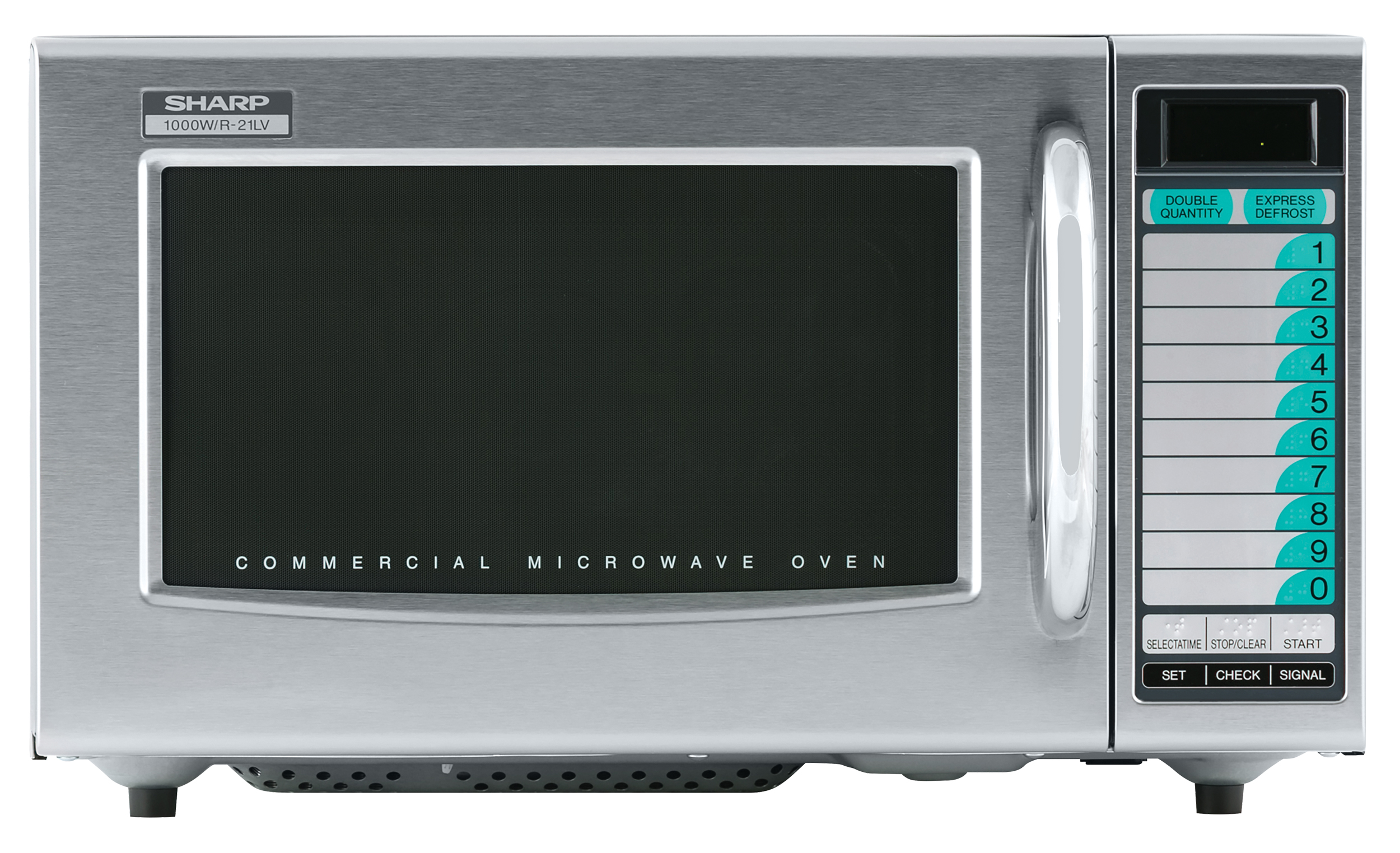

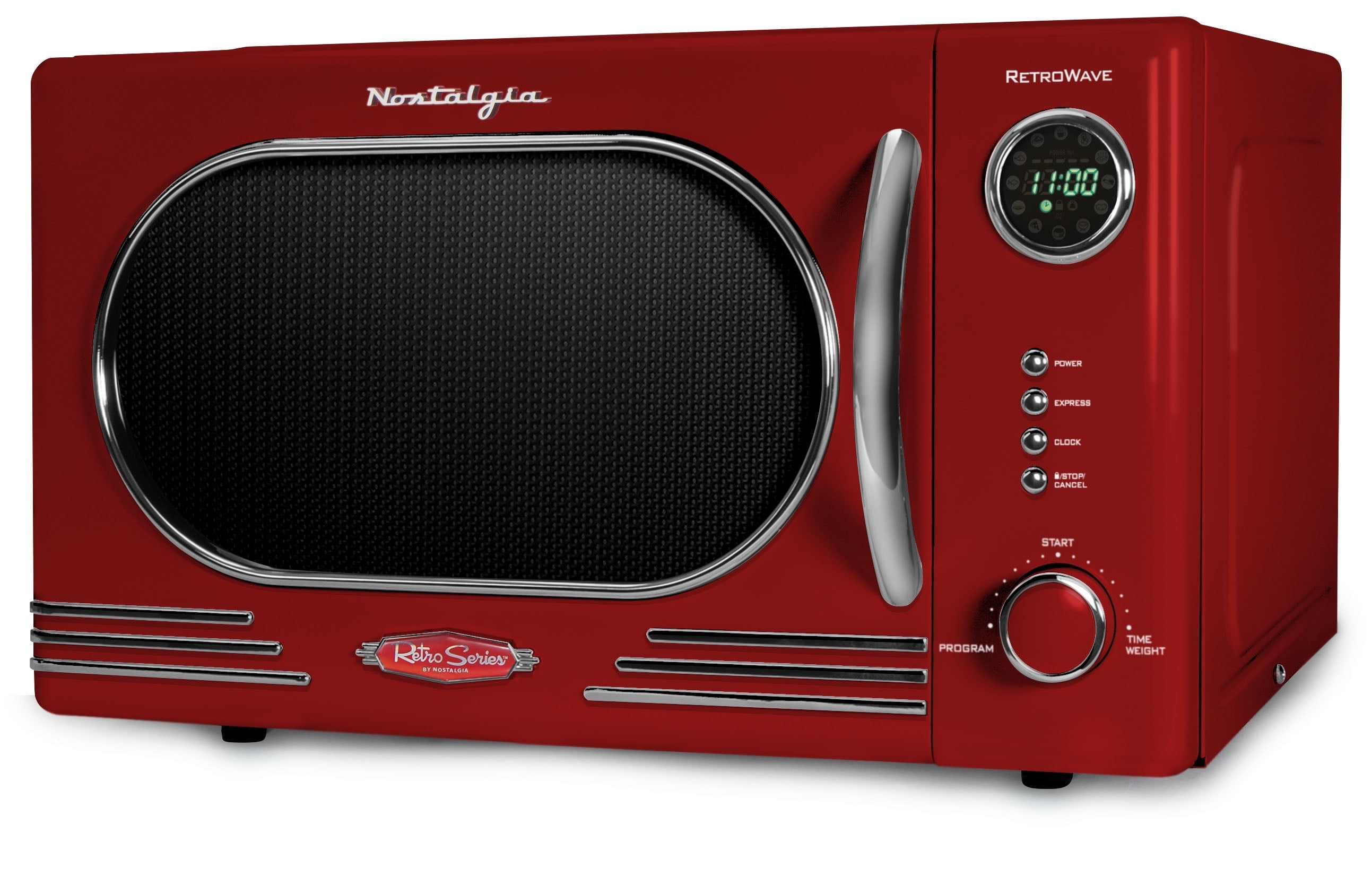
Microwave Wattage Categories
Wattage determines cooking speed and evenness.
- Low (600–800W): Compact models; slower heating, suited for basic tasks.
- Medium (900–1,100W): Ideal for families; balances speed and efficiency.
- High (1,200W+): Faster for large portions; higher cost and energy use.
Most recipes assume 1,000W; Consumer Reports recommends 1,050–1,250W for top performance.

thecompletecookbook.wordpress.com
Performance Comparison by Wattage
| Wattage Range | Cooking Speed | Even Heating | Best For | Energy Use (15 min/day) |
|---|---|---|---|---|
| 600–800W | Slow | Fair | Singles, basic reheating | Lower (~0.15–0.20 kWh) |
| 900–1,100W | Fast | Excellent | Families, daily cooking | Moderate (~0.23 kWh) |
| 1,200W+ | Very Fast | Excellent | Large meals, heavy use | Higher (~0.30+ kWh) |
1000W models heat quickly and evenly, outperforming lower wattages without commercial-level draw.
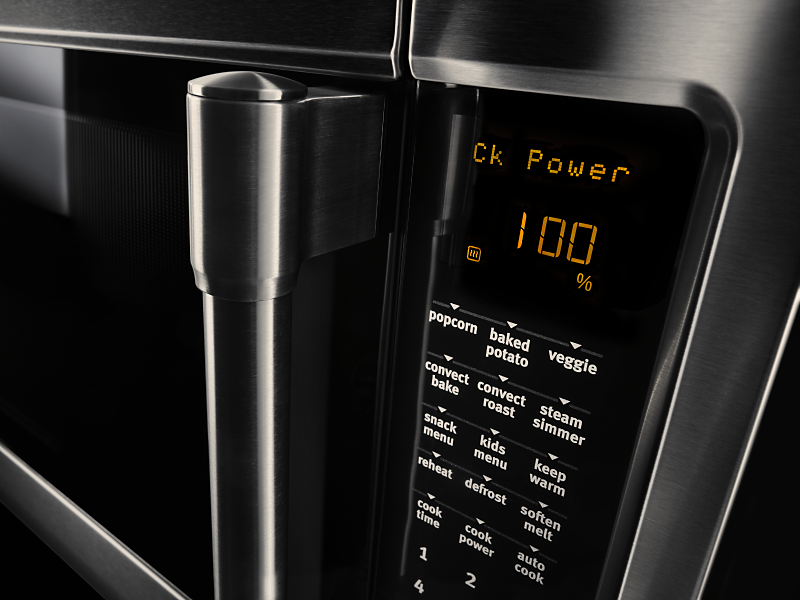
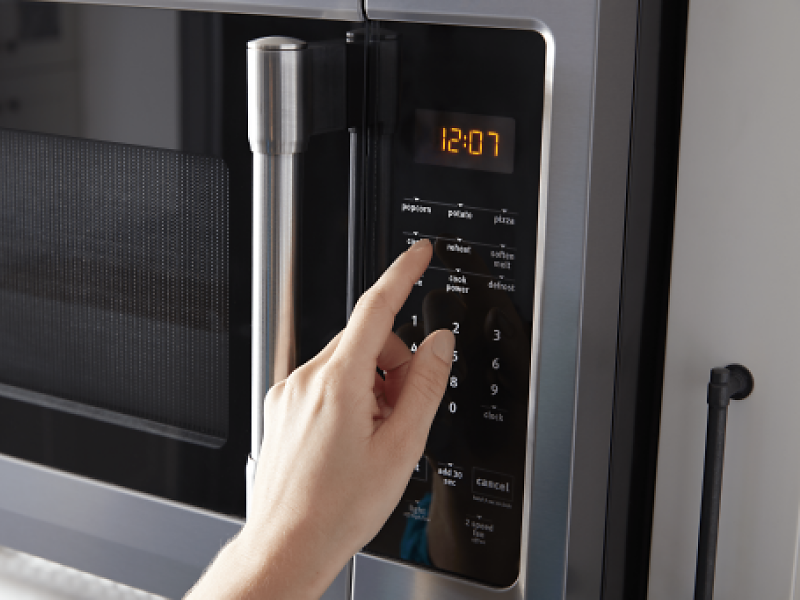
Advantages of 1000W Microwaves
1000W strikes optimal balance per experts.
- Faster than 700–900W (reduces time 20–30%).
- Even heating for leftovers, frozen meals.
- Compatible with most instructions.
- Affordable; common in midsize models (1.0–1.5 cu ft).
Consumer Reports notes differences under 100W are minor, making 1000W versatile.
Explore Consumer Reports microwave buying guide for wattage insights.
Drawbacks and Alternatives
Lower wattage suffices for light use but slows cooking. Higher (1,200W+) speeds large tasks but raises bills and may need circuit checks.
Inverter technology (common in Panasonic) improves evenness at any wattage.
Market Statistics
Household microwaves average 800–1,200W; 1,000W dominates sales for efficiency. Global market favors 900–1,200W models for home use.
Annual cost for 1000W (15 min/day): ~$10–15 at average rates.
Tips for Choosing Wattage
- Match to usage: 1000W for versatile daily needs.
- Check recipes (most base on 1000–1100W).
- Prioritize inverter for precision.
- Test boiling water: ~2 minutes indicates 1000W+.
View Wirecutter’s best microwaves for 2026 recommendations.
FAQ
Is 1000 watts enough for a microwave? Yes—ideal for most homes; fast and even.
How does 1000W compare to 1200W? Slightly slower (~10–20% longer times); negligible for daily use.
Are lower wattage microwaves better for energy? Yes, but trade speed/evenness.
What if recipes specify higher wattage? Increase time 10–20%.
Best brands for 1000W? Toshiba, Farberware, GE for value/reliability.
Final Thoughts
A 1000-watt microwave delivers excellent performance in 2026—balancing speed, evenness, and efficiency for everyday tasks without overkill. Suited to families and standard recipes, it outperforms lower wattages while remaining energy-conscious in a market trending toward versatile medium-power models.

Maksuda Khanam is a passionate home appliance expert and the primary author behind KitchenMarts.com