As an Amazon Associate I earn from qualifying purchases.
What is the Best Gluten Free Baking Flour?
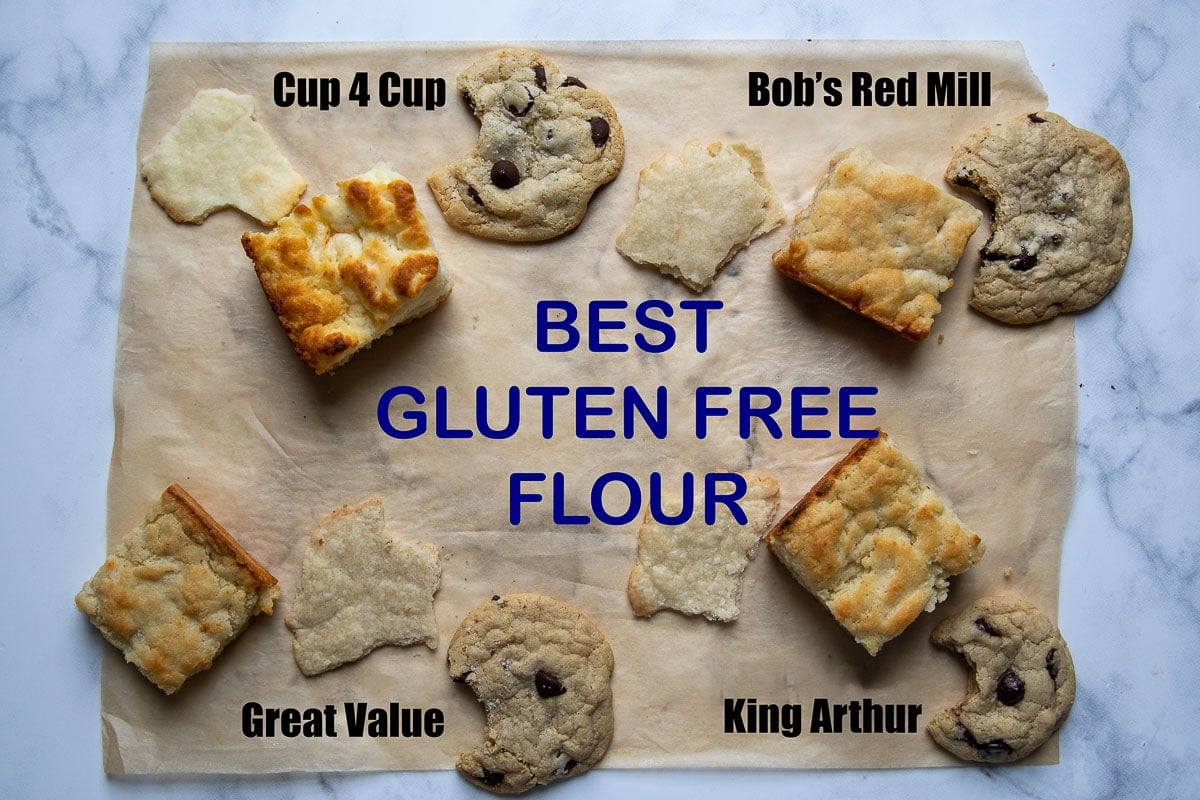
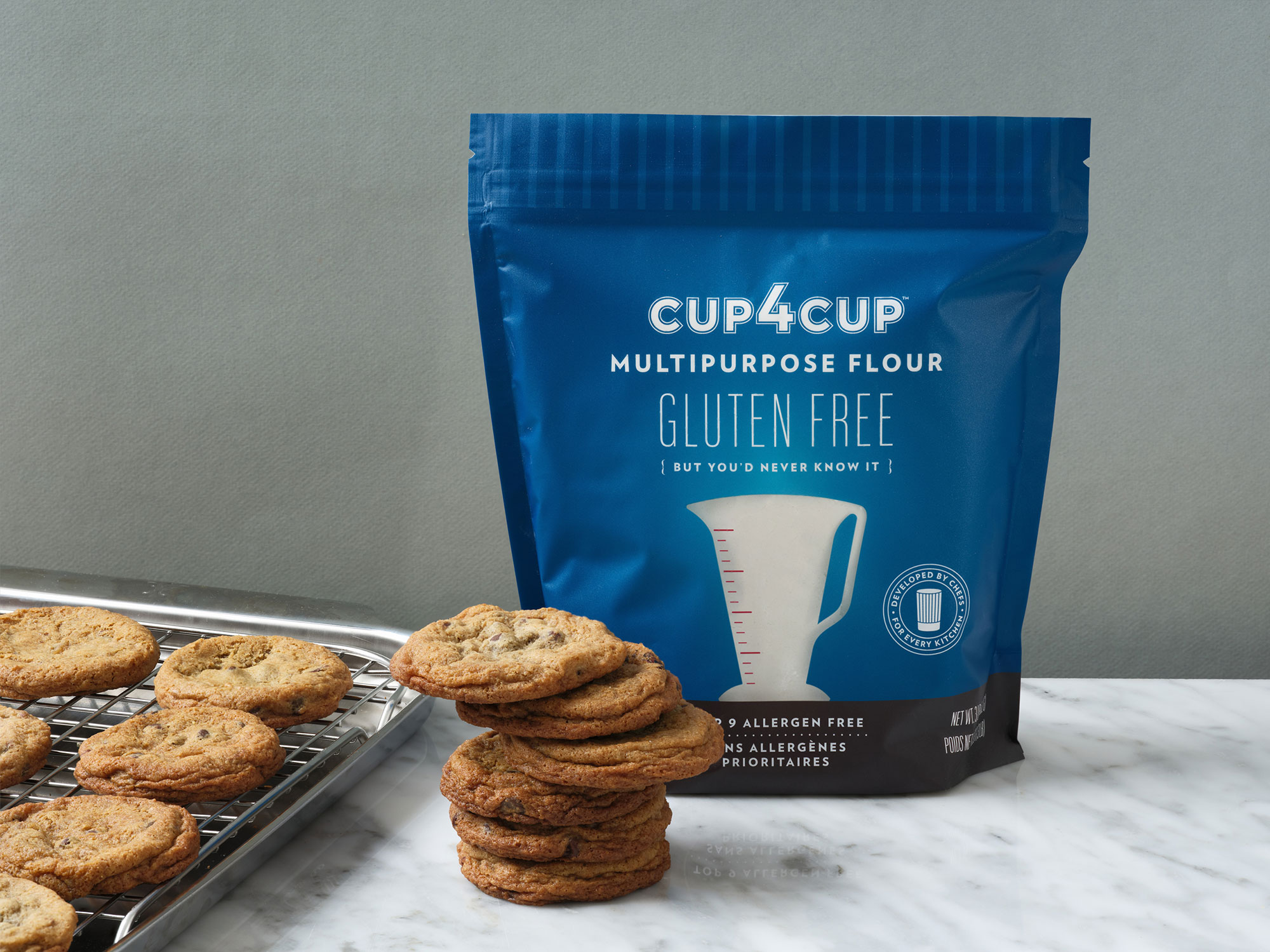
What is the Best Gluten Free Baking Flour? No single best gluten free baking flour exists, but Bob’s Red Mill Gluten Free 1-to-1 Baking Flour ranks highly for versatility, consistency, and 1:1 substitution in cookies, cakes, and muffins. For premium results, Cup4Cup excels in texture and browning due to milk powder.

Why Gluten-Free Flour Blends Matter
Gluten provides elasticity and structure in traditional baking. Gluten-free blends combine starches and grains to mimic this.
The global gluten-free flour market reached USD 7.4 billion in 2024, projected to grow at 7% CAGR through 2034, driven by celiac disease (affecting ~1% globally) and health trends.
Blends outperform single flours like almond or rice, which often yield dense or gummy results.
Top Commercial Gluten-Free Flour Blends Compared
Experts and tests favor these all-purpose blends for 1:1 wheat flour substitution.
| Blend | Key Ingredients | Best For | Pros | Cons |
|---|---|---|---|---|
| Bob’s Red Mill 1-to-1 | Sweet/brown rice, potato starch, sorghum, tapioca, xanthan | Cookies, cakes, muffins | Consistent, moist, widely available | May need adjustments for yeast bread |
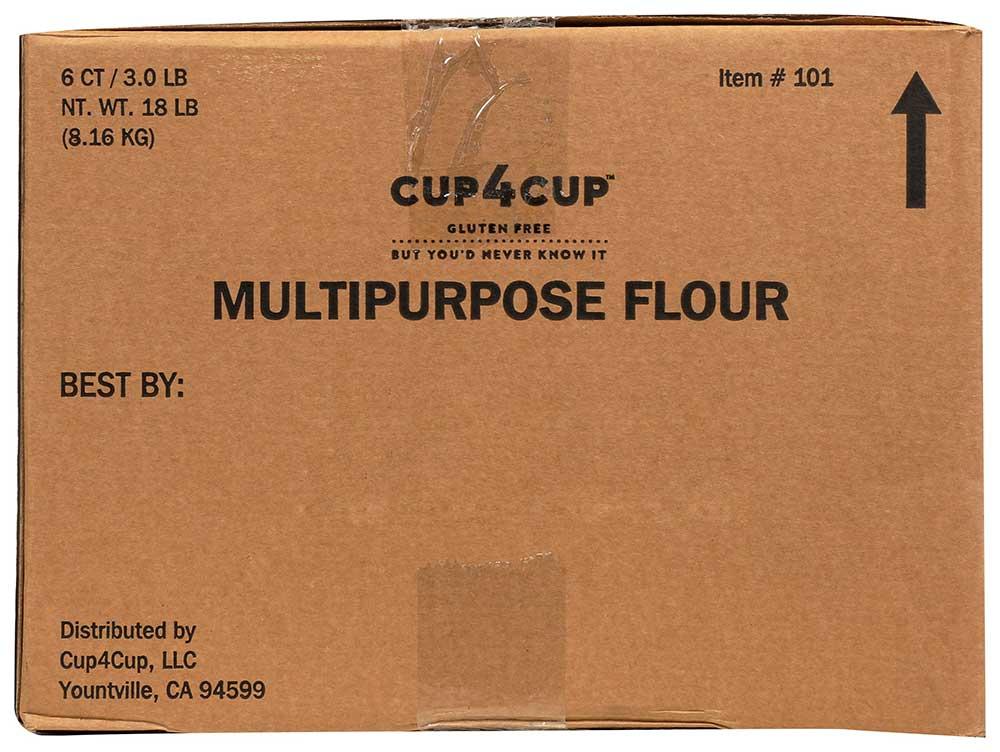
| Cup4Cup | Rice flour, cornstarch, milk powder, potato starch, xanthan | Cookies, cakes, breads | Excellent browning, texture | Contains dairy, premium price |
| King Arthur Measure for Measure | Rice flour, brown rice, sorghum, tapioca, potato starch | Non-yeast bakes, general use | No grittiness, long freshness | Not ideal for yeast without add-ins |
| Better Batter | Rice flour, potato/tapioca starch, xanthan | Versatile, including bread | Great structure, allergen-friendly | Less common in stores |
Bob’s Red Mill and Cup4Cup dominate 2025 reviews for everyday baking.


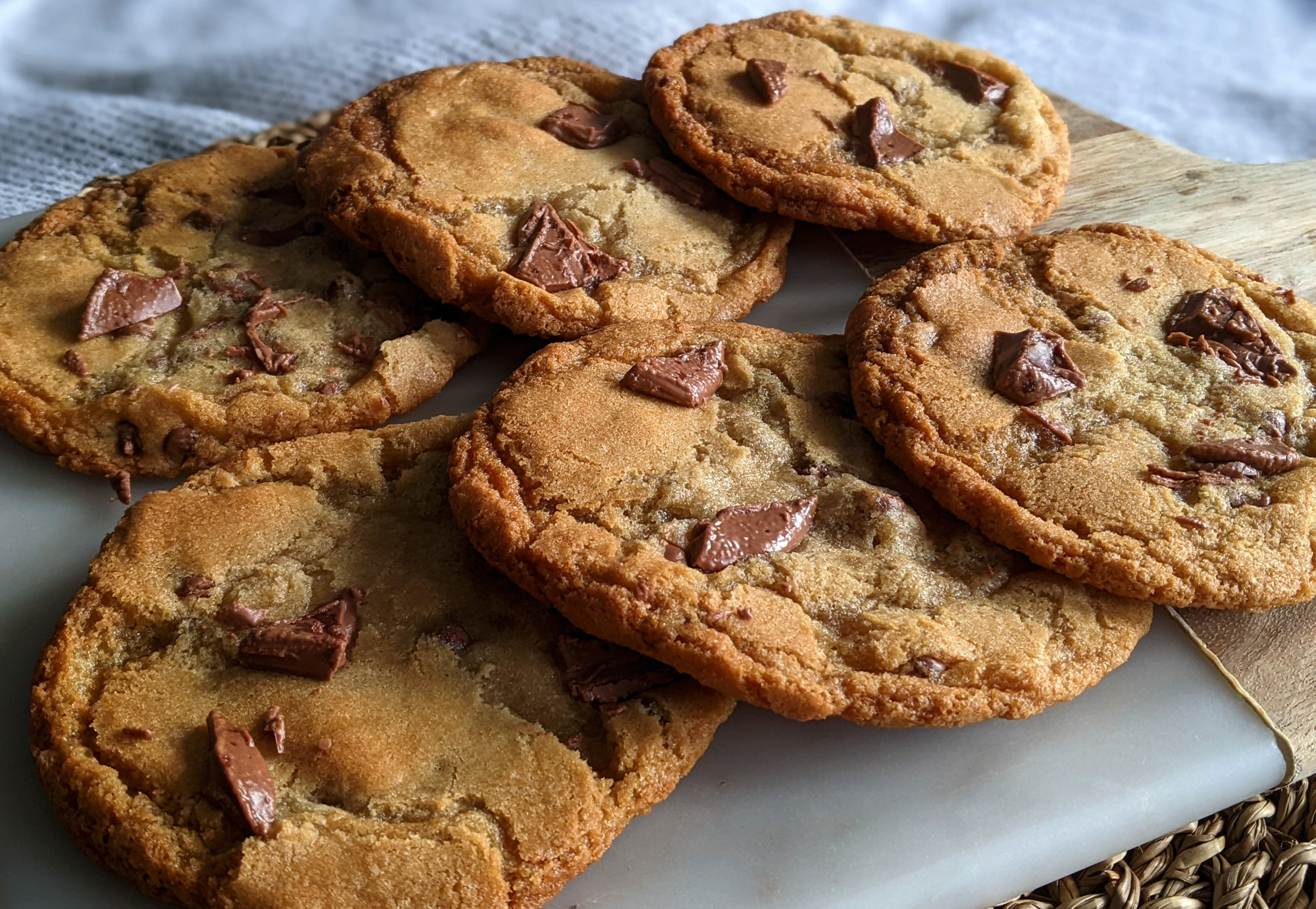
Explore detailed comparisons in Bon Appétit’s gluten-free flour guide.
Best for Specific Baked Goods
- Cookies: Cup4Cup or Bob’s Red Mill—produces chewy, non-gritty results.
- Cakes/Muffins: Bob’s Red Mill keeps goods moist; Cup4Cup enhances rise and tenderness.
- Bread: King Arthur Gluten-Free Bread Flour or blends with extra xanthan/psyllium for structure.
- Pastries/Pie Crust: Lower-starch blends like Better Batter prevent crumbling.
Pro bakers note milk powder in Cup4Cup aids caramelization.
See tested recipes at America’s Test Kitchen gluten-free flour reviews.
Key Ingredients in Effective Blends
Successful blends balance:
- Starches (tapioca, potato): Lightness and tenderness.
- Grains (rice, sorghum): Structure and flavor.
- Binders (xanthan gum): Mimics gluten elasticity.
Avoid heavy bean flours for neutral taste.
Rice flour leads with 37% market share in gluten-free bakery applications.
Tips for Successful Gluten-Free Baking
- Weigh ingredients for precision.
- Add binders if blend lacks them.
- Rest doughs/batters for hydration.
- Use room-temperature ingredients.
These reduce common issues like gumminess or dryness.
FAQ
Is there a truly 1:1 gluten-free flour? Closest are Bob’s Red Mill 1-to-1 and Cup4Cup, but test recipes.
Best dairy-free option? Bob’s Red Mill or King Arthur.
Can I use for yeast bread? Dedicated bread blends perform better; add vital wheat gluten alternatives if needed.
Why do some blends include milk powder? Improves browning and structure, per pro bakers.
Homemade vs. commercial? Commercial offers consistency; homemade saves cost but requires testing.
Final Thoughts
The best gluten-free baking flour depends on recipe and preferences, but Bob’s Red Mill 1-to-1 provides reliable, accessible results for most. Cup4Cup delivers bakery-quality texture. With market growth and improving blends, gluten-free baking rivals traditional—experiment to find your favorite.

Maksuda Khanam is a passionate home appliance expert and the primary author behind KitchenMarts.com