As an Amazon Associate I earn from qualifying purchases.
How to Make a Kitchen Gluten-Free?
How to Make a Kitchen Gluten-Free? Making a kitchen gluten-free involves thorough cleaning, removing gluten sources, and preventing cross-contact. This protects individuals with celiac disease, where even trace gluten (under 20 ppm) can cause harm.
Celiac disease affects approximately 1.4% of the global population based on serology, with biopsy-confirmed rates around 0.7%.

Why a Gluten-Free Kitchen Matters
Celiac disease triggers an autoimmune response to gluten, damaging the small intestine and impairing nutrient absorption. Up to 10% of people may need a gluten-free diet when including non-celiac gluten sensitivity and wheat allergy.
Cross-contact occurs when gluten-free foods touch gluten-containing items, transferring harmful proteins. Studies show basic soap-and-water washing effectively removes gluten from most surfaces and utensils, but porous items pose higher risks.
For shared households, dedicated spaces minimize risks without requiring full household conversion.
Fully Gluten-Free vs. Shared Kitchen
- Fully Gluten-Free: Easiest and safest; eliminate all gluten sources.
- Shared Kitchen: Feasible with strict rules; designate gluten-free zones and tools.
Many households opt for shared setups, using labels and separate storage.
Step 1: Deep Clean the Kitchen
Start with thorough cleaning to remove gluten residues.
- Wipe counters, cabinets, and appliances with soap and water.
- Clean oven, microwave, and fridge interiors.
- Run dishwasher cycles for utensils and dishes.
Soap effectively eliminates gluten transfer in most cases, per research from Children’s National Hospital.
Step 2: Remove or Separate Gluten Sources
Discard or isolate gluten-containing items:
- Wheat-based flours, breads, pastas, and cereals.
- Condiments with possible contamination (e.g., soy sauce).
In shared kitchens:
- Store gluten-free items on top shelves to prevent crumb fallout.
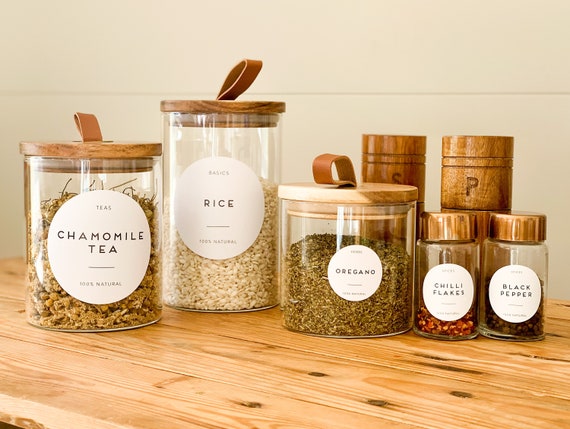
- Use sealed containers and clear labels.

Step 3: Replace or Dedicate High-Risk Items
Certain porous or hard-to-clean items trap gluten:
| Item | Recommendation | Reason |
|---|---|---|
| Toasters | Dedicated gluten-free or toaster bags | Crumbs persist |
| Wooden cutting boards/spoons | Replace with plastic/metal | Porous surfaces harbor gluten |
| Non-stick pans (scratched) | Replace | Scratches trap particles |
| Colanders | Dedicated or dishwasher-safe | Pasta residue |
Studies indicate shared toasters and knives often stay below 20 ppm after normal use, but dedicated tools provide peace of mind. Learn more from Beyond Celiac on cross-contact.

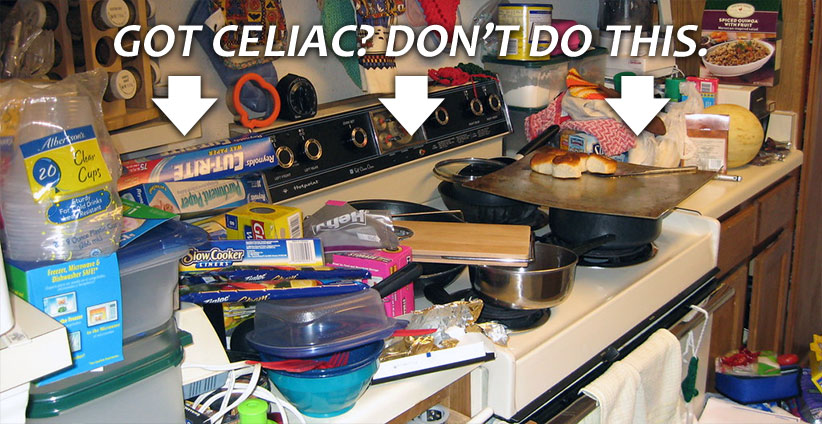
Step 4: Best Practices to Prevent Cross-Contact
Implement daily habits:
- Wash hands thoroughly before handling gluten-free food.
- Prepare gluten-free meals first.
- Use separate condiments or squeeze bottles to avoid double-dipping.
- Color-code sponges and dishcloths.
- Clean surfaces immediately after gluten use.
Expert Tip: “Basic hygiene, including routine washing with soap and water, can further reduce or eliminate gluten transfer,” per Celiac Disease Foundation research.
For detailed guidelines, visit Celiac Disease Foundation resources.
Stocking Gluten-Free Essentials
Focus on naturally gluten-free foods:
- Fruits, vegetables, meats, dairy.
- Grains: rice, quinoa, certified gluten-free oats.
- Flours: almond, coconut, certified gluten-free blends.
Check labels for hidden gluten in processed items.
FAQ
Is a fully gluten-free kitchen necessary? No, but it’s safest. Shared kitchens work with vigilance.
Can I share a toaster? Risky; use dedicated or bags. Studies show low transfer, but caution advised.
How much gluten is dangerous? Under 20 ppm is FDA gluten-free standard; celiac patients react to traces.
Does washing remove gluten? Yes, soap and water suffice for most utensils, per multiple studies.
What if household members eat gluten? Educate on rules; label everything; communicate mistakes openly.
For more, see Mayo Clinic celiac overview.
Final Thoughts
Creating a gluten-free kitchen empowers better health for those with celiac disease or sensitivity. Start small, involve family, and build habits. With planning, meals become safe and enjoyable. Consult experts for personalized advice.

Maksuda Khanam is a passionate home appliance expert and the primary author behind KitchenMarts.com