As an Amazon Associate I earn from qualifying purchases.
Are Electric Lunch Boxes Worth It?
Are Electric Lunch Boxes Worth It? Yes, electric lunch boxes are worth it for busy professionals, truck drivers, construction workers, and anyone without microwave access, offering convenient hot meals, cost savings from reduced eating out, and healthier home-prepped food. However, they may not suit those with easy microwave availability due to higher upfront costs and longer heating times.
What Is an Electric Lunch Box?
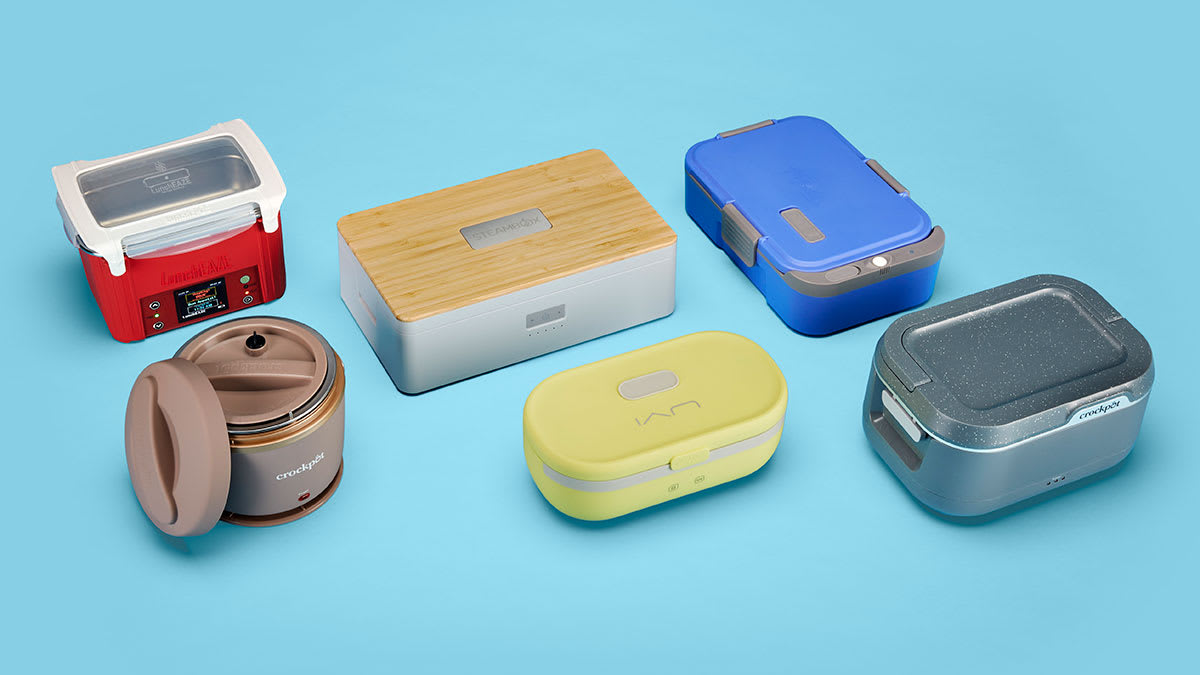
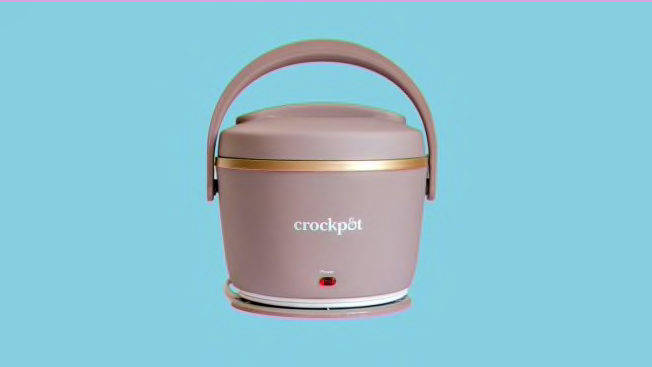
Electric lunch boxes are portable containers with built-in heating elements that warm food using electricity from wall outlets, car adapters, or batteries.
They feature removable stainless steel or food-grade plastic trays for easy cleaning and leak-proof designs.
Unlike traditional insulated boxes, they actively heat meals to 165°F or higher, preserving texture and moisture better than microwaves.
Popular in offices, job sites, and vehicles, they support meal prepping leftovers or frozen foods.


Benefits of Electric Lunch Boxes
Electric lunch boxes provide convenience, health advantages, and efficiency.
Key Benefits:
- Hot Meals Anywhere: Heat food without microwaves, ideal for remote workers or travelers.
- Even Heating: Gentle steam or low-wattage heating avoids hot spots and drying, retaining nutrients better than microwaves.
- Meal Prep Friendly: Removable, dishwasher-safe containers simplify batch cooking and portion control.
- Energy Efficient: Use 60-100W versus microwaves’ 800-1200W, reducing electricity costs.
- Healthier Options: Encourage home-cooked meals, cutting reliance on fast food.
The global market reached ~$1 billion in 2024, projected to grow at 4-7% CAGR through 2030 due to demand for portable solutions.
Users report saving $100+ weekly by avoiding takeout.
For more on testing and ratings, see Consumer Reports’ evaluation of top models.
Pros and Cons of Electric Lunch Boxes
Pros
- Portable and versatile (plug-in or cordless models).
- Leak-proof and easy to clean.
- Promotes cost savings and healthier eating.
- Even, moisture-locking heat.
Cons
- Higher initial cost ($40-$270).
- Longer heating times (20-90 minutes).
- Requires power source (outlet or battery recharge).
- Not suitable for cooking raw meat safely.
| Aspect | Electric Lunch Box | Microwave Reheating |
|---|---|---|
| Heating Time | 20-90 minutes (gentle) | 2-5 minutes (fast) |
| Evenness | Uniform, no hot/cold spots | Often uneven, dries food |
| Energy Use | 60-100W | 800-1200W |
| Portability | High (car/office/no microwave) | Low (needs kitchen) |
| Nutrient Retention | Better (slow heat) | Potential loss from rapid heat |
Cost Savings and Meal Prep Advantages
Electric lunch boxes excel in reducing expenses.
Meal prepping saves significantly versus daily $10-15 lunches.
Batch cook on weekends, freeze portions, and reheat directly—users report heating frozen meals effectively.
Lower energy consumption adds minor savings.
Long-term durability (3-5+ years for quality models) justifies $50-150 investment.
Safety and Health Considerations
Quality models with food-grade stainless steel or BPA-free materials are safe, avoiding chemical leaching.
Even heating reduces bacterial risks if food reaches safe temperatures.
Look for UL-certified products, especially battery-powered ones.
Gentler heating preserves more nutrients than microwaves.
Avoid overheating by following instructions.
Who Should Buy an Electric Lunch Box?
Ideal for:
- Office workers without microwaves.
- Truck drivers and road travelers (12V/24V models).
- Construction/site workers.
- Students or parents packing hot school lunches.
- Health-conscious individuals prioritizing home-cooked meals.
Less necessary if microwave access is reliable.
FAQ
Are electric lunch boxes safe to use daily? Yes, when from reputable brands with safety certifications; materials prevent toxin release.
How long do they take to heat food? 20-60 minutes typically; cordless models may take longer.
Can they cook raw food? Most reheat only; some steam veggies or rice, but not raw proteins safely.
Are they worth the price? Yes for frequent users saving on takeout; payback in months via reduced spending.
Do they work in cars? Many include 12V adapters; battery models offer full portability.
How much energy do they use? 60-100W, far less than microwaves, for eco-friendly operation.
Final Thoughts
Electric lunch boxes transform daily eating by delivering hot, homemade meals conveniently and affordably. With growing market demand and positive user feedback, they prove valuable for modern lifestyles emphasizing health, savings, and portability. Invest in a certified model matching your needs for lasting benefits.

Maksuda Khanam is a passionate home appliance expert and the primary author behind KitchenMarts.com