As an Amazon Associate I earn from qualifying purchases.
Are Electric Lunch Boxes Safe?
Are Electric Lunch Boxes Safe? Yes, electric lunch boxes are generally safe when made from food-grade materials (like BPA-free plastic or stainless steel), certified by standards such as UL or CE, and used according to manufacturer instructions. Risks like chemical leaching, overheating, or electrical issues are minimal with reputable brands.
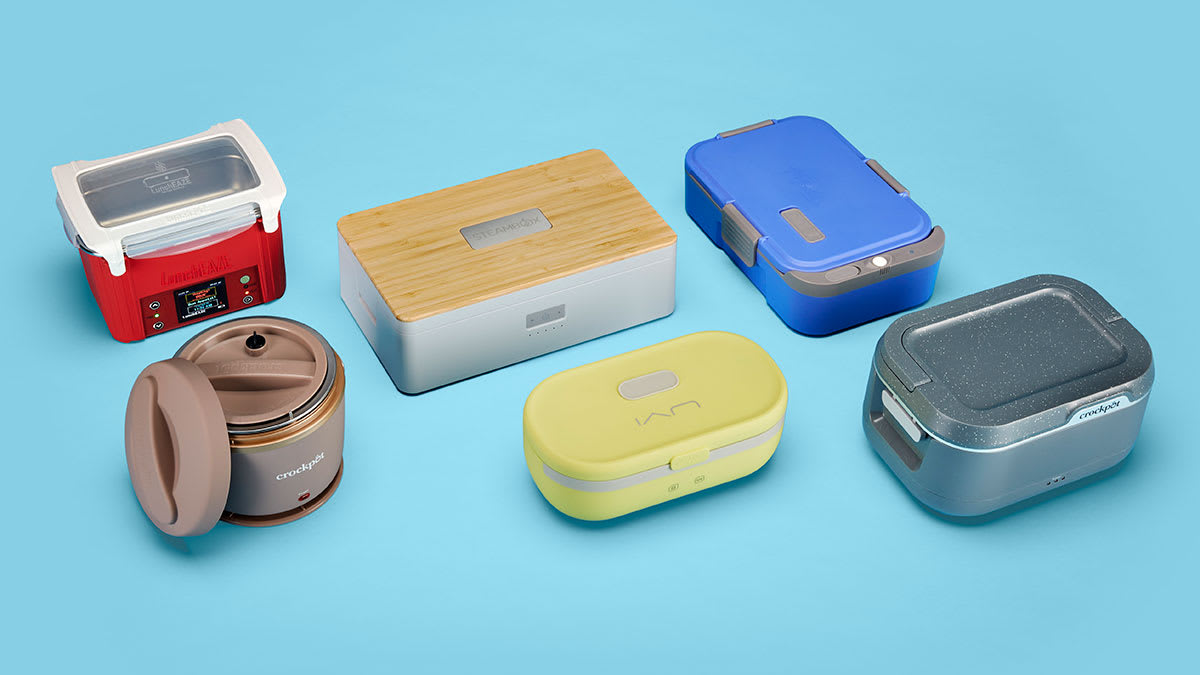
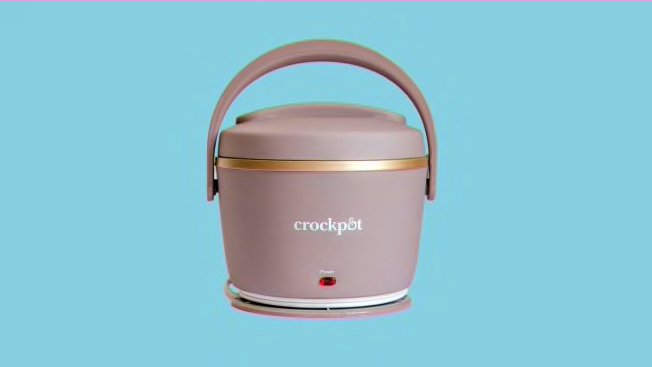
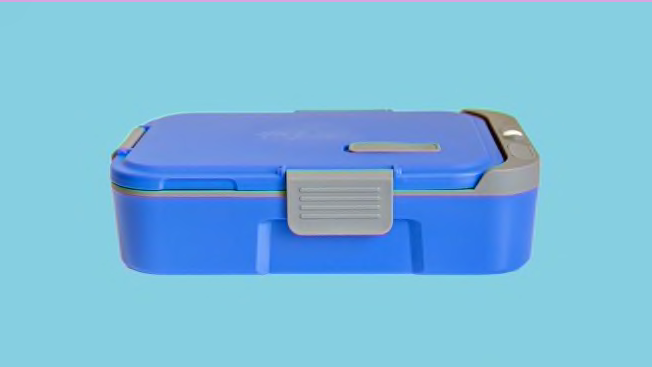
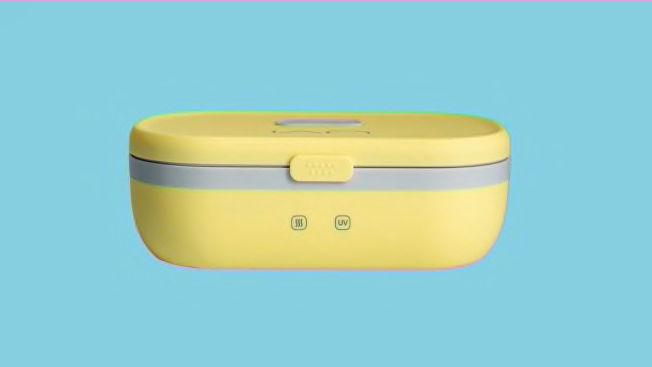
How Electric Lunch Boxes Work
Electric lunch boxes use a built-in heating element to warm pre-cooked food gradually, typically reaching 170–180°F. This temperature keeps meals in the safe zone, reducing foodborne illness risk.
Most models plug into standard outlets (110V/220V) or vehicle sockets (12V/24V). Cordless versions rely on rechargeable batteries.
Key components:
- Insulated outer shell
- Removable food containers (stainless steel or plastic)
- PTC or ceramic heating elements for even, controlled warmth
Proper use prevents overheating; many include auto shut-off features.
Material Safety Concerns
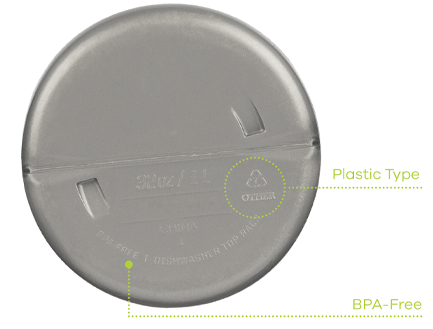
Modern electric lunch boxes use food-grade materials to prevent chemical leaching.
Common concerns:
- BPA and phthalates — Older plastics released these when heated, linking to health issues.
- Today, most are BPA-free; stainless steel options eliminate plastic risks entirely.
Choose models labeled BPA-free or with 304 stainless steel containers. These are dishwasher-safe and resist reactions with food.

For more on BPA risks and safe alternatives, visit the FDA’s page on food contact substances.
Electrical and Fire Safety
Reputable electric lunch boxes meet international standards like UL (Underwriters Laboratories) or CE certification, testing for electrical safety and fire prevention.
Potential risks:
- Overheating or short circuits in low-quality models
- Rare fire hazards if left unattended or faulty
No widespread recalls exist for major brands as of 2025. Consumer Reports testing shows certified models heat safely without excessive risks.
Statistics: Low-wattage designs (60–100W) minimize hazards; lithium-ion battery models (rarely) carry general battery risks, but UL certification mitigates them.
Always unplug after use and avoid damaged cords.
Food Safety and Temperature Control
Electric lunch boxes maintain food above 140°F, the USDA safe zone against bacterial growth.
Benefits:
- Even heating prevents cold spots
- Models handle frozen meals effectively
Tips for safety:
- Heat within 2 hours of packing or use ice packs initially
- Avoid raw meats requiring full cooking
- Clean removable parts thoroughly to prevent contamination
Consumer Reports lab tests confirm top models reach safe temperatures quickly while keeping food chilled longer with insulation.
Learn more about time/temperature control for safety foods from the FDA Food Code.
EMF Radiation Exposure
Electric lunch boxes emit low-level electromagnetic fields (EMF) from heating elements, similar to household appliances.
Expert consensus: The National Institute of Environmental Health Sciences states low-level EMF from appliances shows no proven health risks. Exposure drops rapidly with distance.
No specific studies link electric lunch boxes to EMF concerns; levels remain well below ICNIRP guidelines.
For general EMF information, see the NIEHS EMF page.
Tips for Safe Use
Follow these guidelines to maximize safety:
- Buy from reputable brands with certifications
- Inspect for damage regularly
- Use grounded outlets
- Never immerse the base in water
- Supervise around children
- Unplug when not in use
Best practices:
- Opt for stainless steel over plastic
- Choose auto shut-off models
- Read reviews for reliability
FAQ
Are electric lunch boxes safe for daily use? Yes, with proper materials and handling, they are safe and convenient for everyday meals.
Can electric lunch boxes cause cancer or other health issues? No evidence supports this. BPA-free models and low EMF emissions pose negligible risks.
Are they safe for kids? Adult supervision is recommended due to heat and electrical components; not ideal for young children.
Do electric lunch boxes catch fire? Rarely, in faulty units. Certified models include safeguards.
How long do they take to heat food safely? 20–40 minutes, reaching safe temperatures without burning.
Final Thoughts
Electric lunch boxes offer a safe, practical way to enjoy hot meals on the go when selecting certified, high-quality models. Prioritize BPA-free or stainless steel construction and follow usage guidelines to eliminate most risks. With no major safety incidents reported for top brands in 2025, they remain a reliable choice for busy lifestyles.

Maksuda Khanam is a passionate home appliance expert and the primary author behind KitchenMarts.com