As an Amazon Associate I earn from qualifying purchases.
Why Electric Kettle Is Dangerous?
Why Electric Kettle Is Dangerous? Electric kettles pose risks like scald burns (especially to children from pulling cords or steam), potential electrical fires from faults or dry boiling, chemical leaching from low-quality plastics (e.g., BPA), and minor metal exposure in older models—though modern units with safety features are generally safer than stovetop alternatives when used properly.
Burn and Scald Risks
Hot water and steam cause most kettle-related injuries.
- Scalds common in toddlers pulling dangling cords, spilling boiling water.
- Studies show kettle scalds affect younger children more severely: median 13% TBSA burned vs. 6% for other scalds; over 50% require skin grafts.
- Steam burns deeper than water scalds at same temperature.
Children under 5 most vulnerable; cords left hanging increase tipping risk.


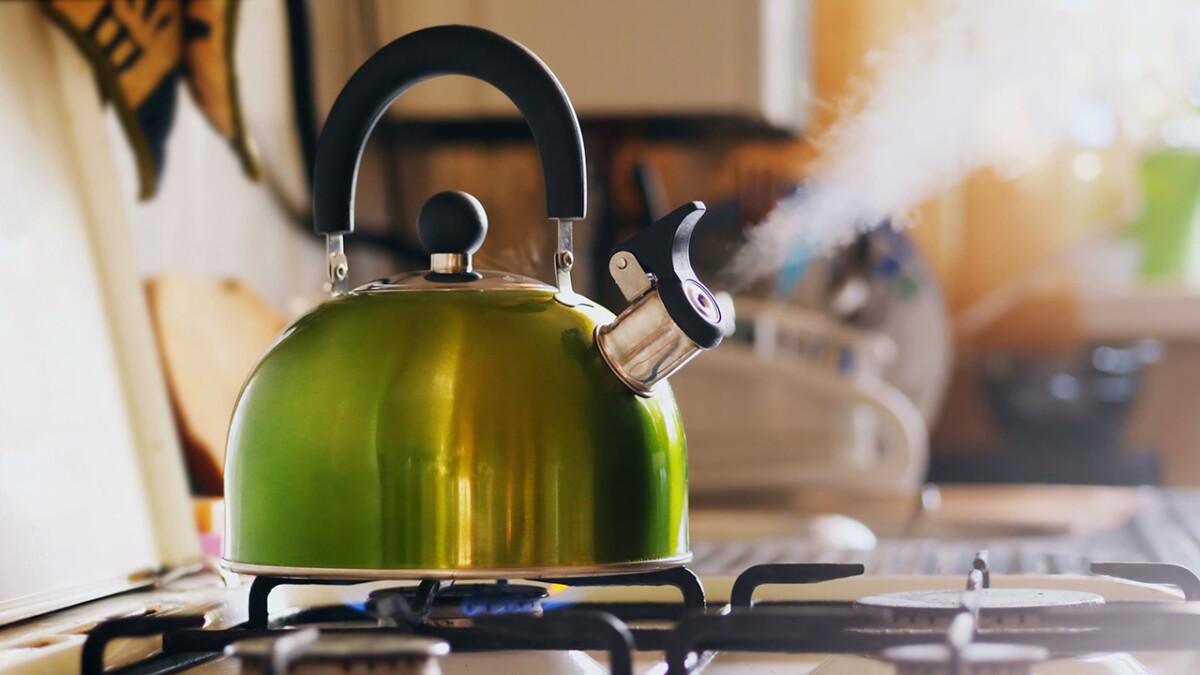
:max_bytes(150000):strip_icc()/steam-burns-overview-4507433_color2-5c6f2661c9e77c000149e479.png)
Short cords or fixed placement reduce accidents.
Electrical and Fire Hazards
Faulty kettles risk shocks or fires.
Potential issues:
- Damaged cords cause short circuits or arcing.
- Boil-dry without protection leads to overheating, melting plastic, fires.
- Rare malfunctions reported in older or cheap models.
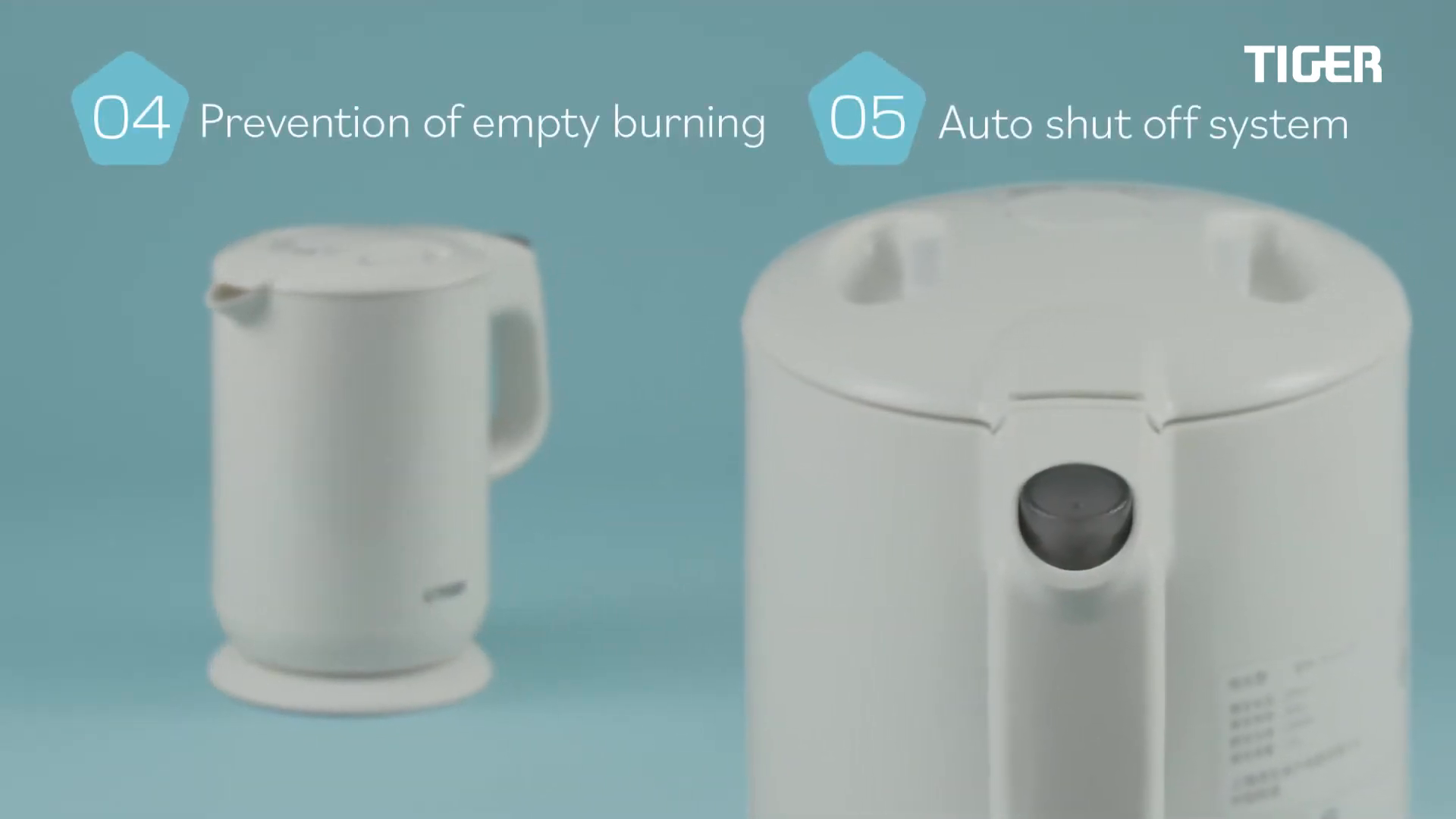
Modern kettles include auto shut-off and boil-dry protection, mitigating risks.

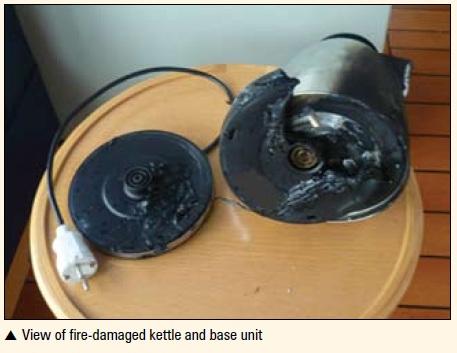
For safety guidelines, visit Electrical Safety First on kettles.
Chemical Leaching Concerns
Low-quality materials release substances into water.
- Plastic kettles (especially older/BPA-containing) leach BPA or similar chemicals when heated, linked to hormone disruption.
- Leaching increases significantly at boiling temperatures.
- Older models with exposed elements release nickel (skin allergies) or lead (rare, mainly infants).
Choose BPA-free, stainless steel (304/316), or glass for minimal risk.
Safety Comparison: Electric vs. Stovetop
| Risk Type | Electric Kettle | Stovetop Kettle |
|---|---|---|
| Burn/Scald | Steam, spills from tipping | Open flame, hot surfaces, whistle neglect |
| Fire | Rare (faulty/dry boil) | Higher (forgotten on stove) |
| Electrical | Shock from damage | None |
| Safety Features | Auto shut-off, boil-dry protection | Manual monitoring only |
| Child Safety | Cord pull risk | Hot stove access |
Electric often safer overall due to features.
Explore comparisons in Breville’s electric vs. stovetop guide.


FAQ
Are electric kettles dangerous for children? Yes, mainly scalds from pulling cords—use short cords and high placement.
Can electric kettles cause fires? Rarely with safety features; avoid dry boiling or damaged units.
Do plastic electric kettles leach harmful chemicals? Low-quality ones may release BPA/microplastics; opt for stainless or glass.
Are modern electric kettles safe? Yes, with auto shut-off and quality materials—safer than stovetop for most.
How to minimize risks? Buy reputable brands, descale regularly, supervise children, unplug when not in use.
Check recalls at CPSC.gov.
Final Thoughts
Electric kettles carry risks like burns, fires, and leaching, but quality models with safety features prove safer and more convenient than stovetop. Prioritize reputable brands, proper materials, and safe habits to minimize dangers—benefits outweigh risks for careful users.

Maksuda Khanam is a passionate home appliance expert and the primary author behind KitchenMarts.com