As an Amazon Associate I earn from qualifying purchases.
Will a Coffee Grinder Grind Corn?
Will a Coffee Grinder Grind Corn? Yes, a coffee grinder can grind dried corn kernels into cornmeal for small batches, especially burr models on coarse settings, but it’s not ideal long-term due to potential wear and flavor contamination.
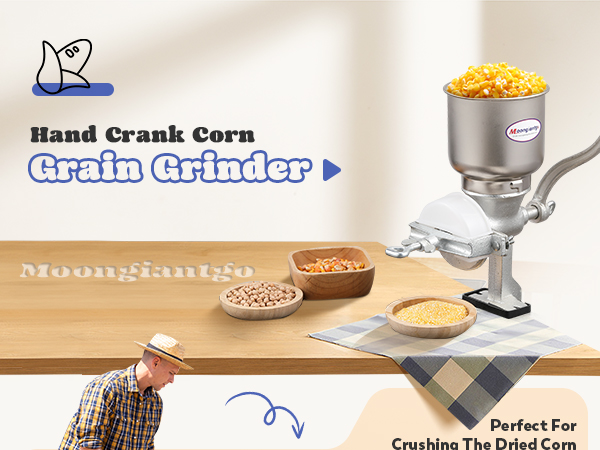
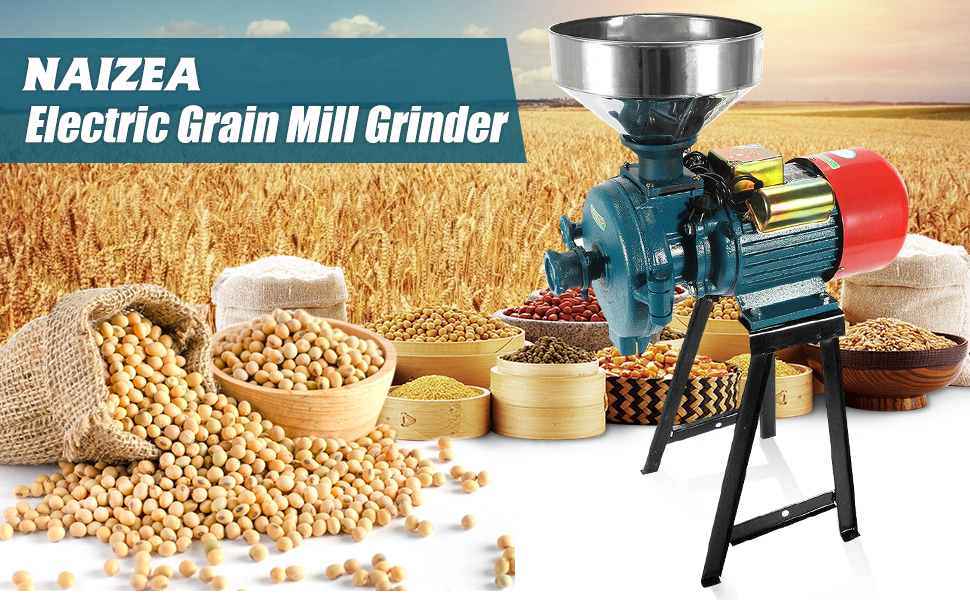
How Coffee Grinders Handle Dried Corn
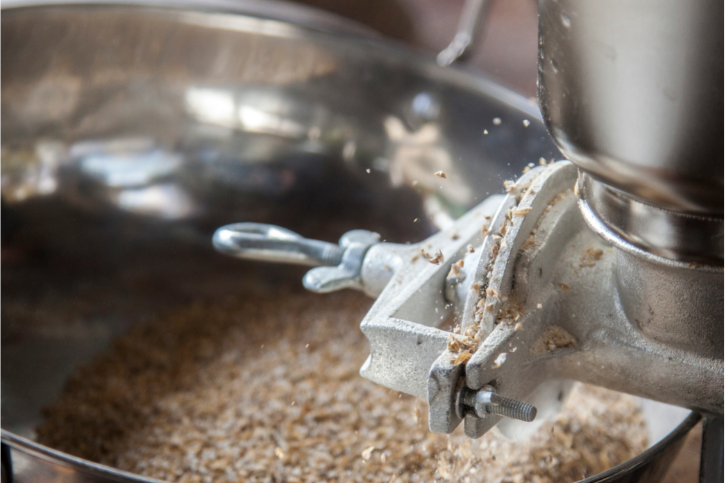
Coffee grinders crush hard beans, so they manage dried dent or flint corn kernels. Blade models chop via pulsing; burr models crush for better control.
- Use only fully dried corn to avoid moisture damage.
- Grind small amounts (1/4-1 cup) to prevent overloading.
- Coarse settings yield cornmeal for cornbread; finer risks heat buildup.
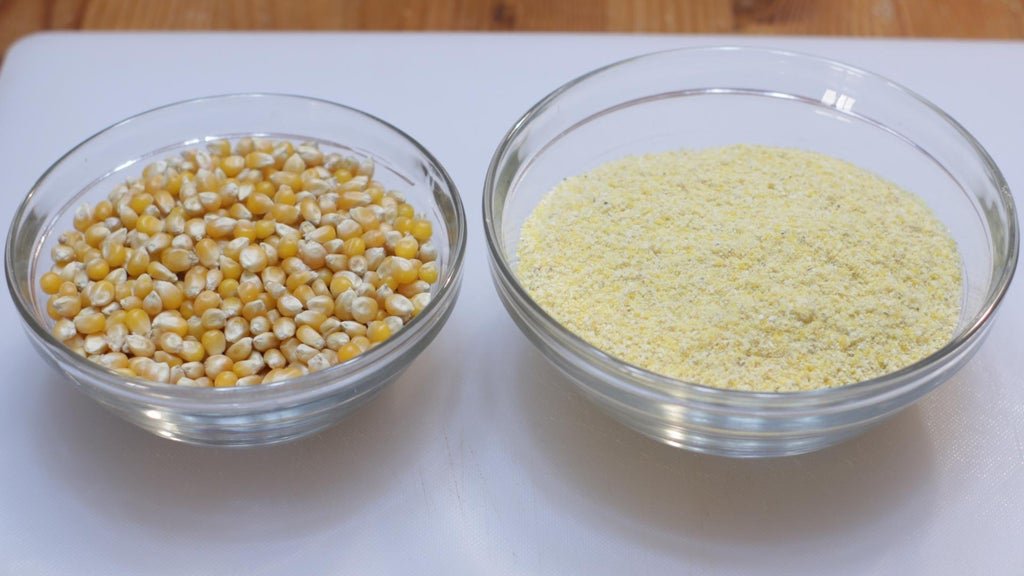
Home users report success making fresh cornmeal from popcorn kernels or dehydrated corn, retaining germ oils for richer flavor versus store-bought.
:max_bytes(150000):strip_icc()/__opt__aboutcom__coeus__resources__content_migration__serious_eats__seriouseats.com__images__2013__02__20130307-242517-diycornmeal-featured-4aaeebb1e663429099efbc743d882e9d.jpg)

Pros and Cons of Grinding Corn in a Coffee Grinder
Pros:
- Affordable alternative to dedicated grain mills.
- Produces fresh, nutritious cornmeal with retained oils.
- Adjustable for coarse grits or medium meal.
Cons:
- Harder corn wears burrs/blades faster than coffee.
- Residue causes flavor crossover (corn-tainted coffee).
- Inconsistent results; may require sifting.
Experts note corn’s hardness reduces grinder lifespan if used frequently.
| Aspect | Coffee Grinder for Corn | Dedicated Grain Mill |
|---|---|---|
| Grind Consistency | Variable, often needs sifting | Uniform, adjustable |
| Capacity | Small batches only | Larger volumes |
| Durability | Risk of wear/damage from hard grains | Built for tough grains |
| Flavor Retention | Fresh but potential contamination | Optimal, no crossover |
| Cost | Uses existing tool | $100-300+ investment |
:max_bytes(150000):strip_icc()/__opt__aboutcom__coeus__resources__content_migration__serious_eats__seriouseats.com__2019__02__20190206-coffee-grinder-vicky-wasik-grinds-comparison-1500x1125-b2d47dd44c0d408cabae9d91b262a533-72acbe342c714d41aa3febf61b65ad69.jpg)
:max_bytes(150000):strip_icc()/__opt__aboutcom__coeus__resources__content_migration__serious_eats__seriouseats.com__2019__02__BurrGrinder_SeriousEats_LizClayman_04-1500x1001-dd0fdc9cf0c444a8aa1a8858d503c13d.jpg)
See burr vs. blade insights from Serious Eats.
Tips for Grinding Corn in a Coffee Grinder
- Dedicate a separate grinder for grains to avoid coffee contamination.
- Pulse in short bursts; shake for even grinding.
- Sift results to remove large pieces; re-grind if needed.
- Clean thoroughly after use.
- Start coarse to prevent jamming.
For best cornmeal, use popcorn kernels—they’re dry and pop-free.
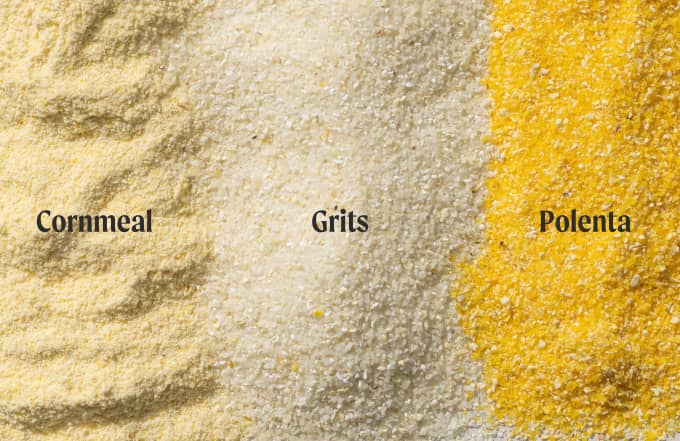
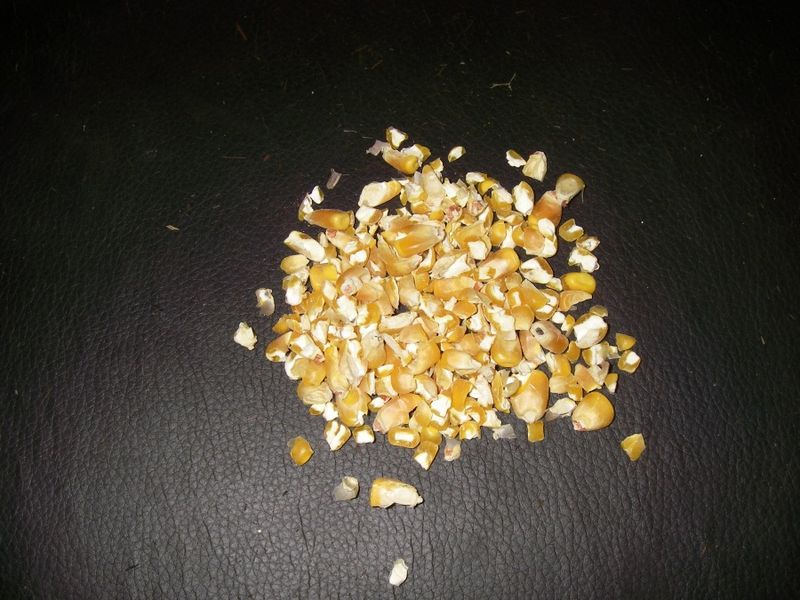
Detailed homemade cornmeal guide from Mother Earth News.
Alternatives to Coffee Grinders for Corn
- Dedicated grain mill → Corona or electric models for uniform results.
- Food processor/blender → Pulse dried corn; better for larger batches.
- Mortar and pestle → Manual, labor-intensive but consistent.
- Commercial mill → For frequent use.
FAQ
Can blade coffee grinders handle corn? Yes for small amounts, but burr models perform better with less heat.
Will grinding corn damage my coffee grinder? Occasional use is fine; frequent grinding of hard corn accelerates wear.
What’s the best corn for grinding? Dried dent, flint, or popcorn kernels—avoid sweet corn.
How fine can a coffee grinder make cornmeal? Medium-coarse typically; not bakery-fine flour.
Does home-ground cornmeal taste better? Yes—retains germ oils for nuttier, fresher flavor.
Final Thoughts
A coffee grinder works well for occasional small-batch corn grinding, delivering fresh cornmeal affordably. For regular use or finer results, opt for a dedicated grain mill to preserve equipment and quality. Experiment with textures to elevate homemade cornbread or polenta.

Maksuda Khanam is a passionate home appliance expert and the primary author behind KitchenMarts.com