As an Amazon Associate I earn from qualifying purchases.
Can Coffee Grinders Make Espresso?
Can Coffee Grinders Make Espresso? Yes, only high-quality burr coffee grinders can reliably produce the fine, consistent grounds needed for proper espresso extraction; blade grinders fall short due to uneven particle sizes.

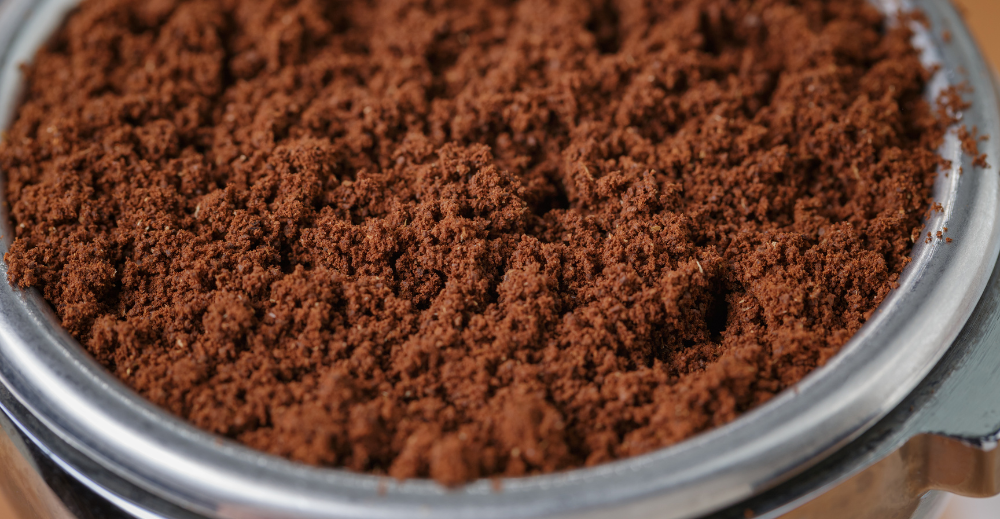

Why Espresso Demands Specific Grind Consistency
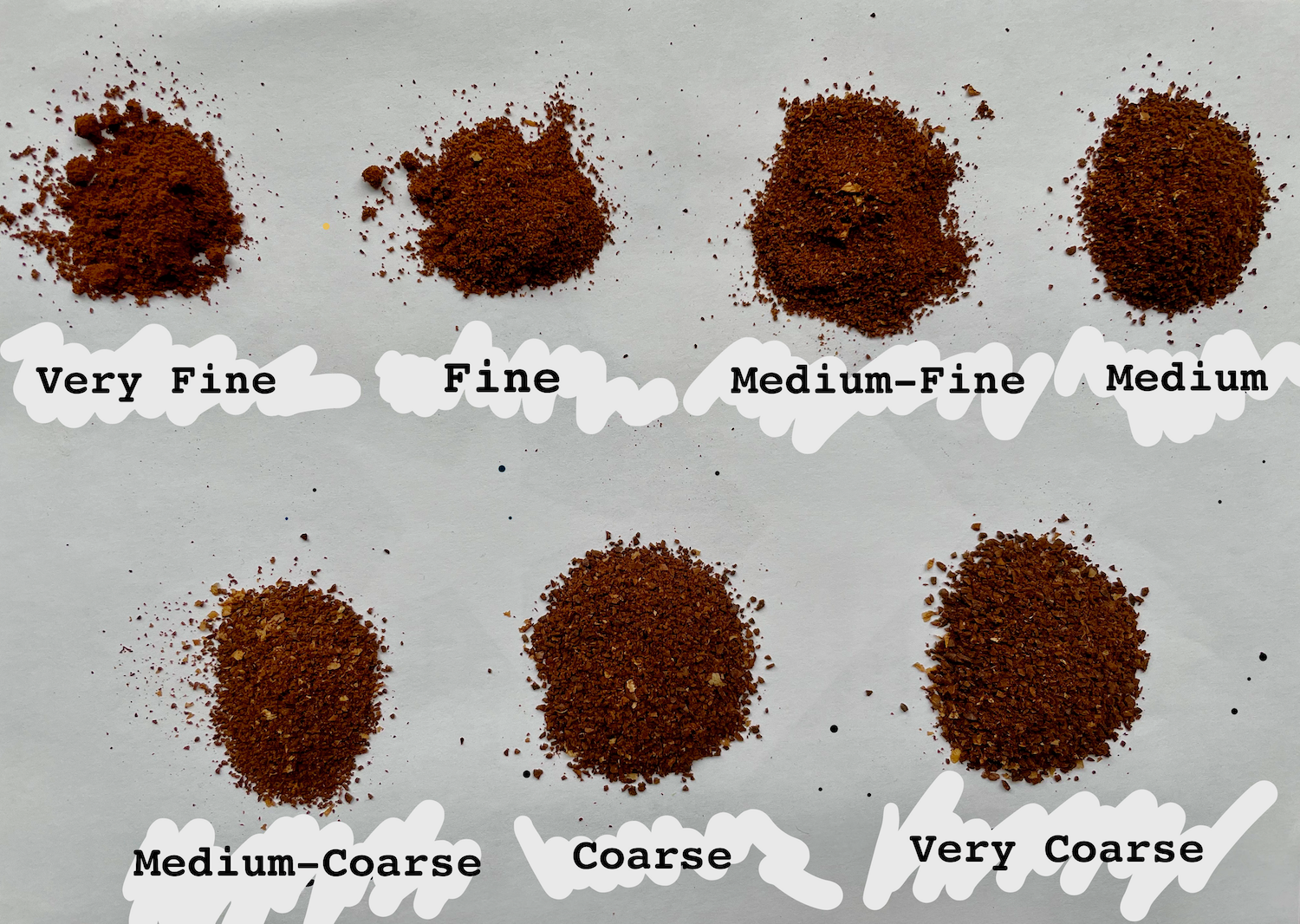
Espresso brewing uses high pressure (9 bars) to force hot water through compacted grounds in 25-30 seconds, extracting rich flavors and crema. Ideal particle size ranges 180-380 microns—fine like table salt—for balanced resistance and even extraction.
Uneven grounds cause channeling (water finds easy paths), leading to under- or over-extraction: sour/acidic or bitter/harsh tastes. Studies show uniform particles yield 18-22% extraction yield, the sweet spot for balanced flavor per Specialty Coffee Association guidelines.

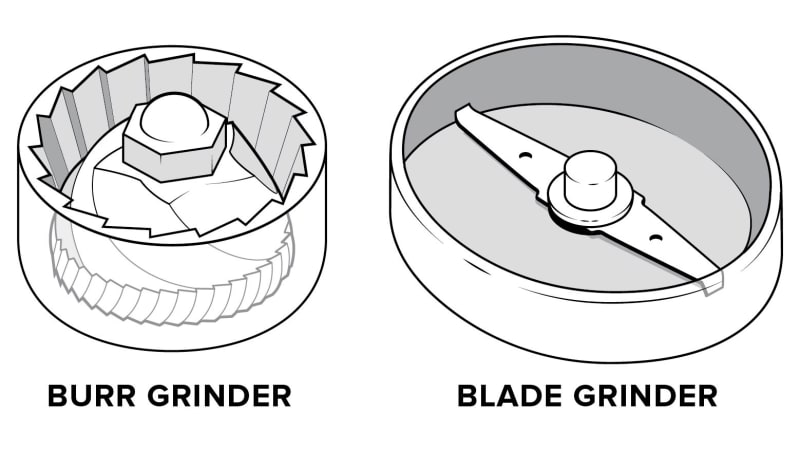
Burr vs. Blade Grinders for Espresso
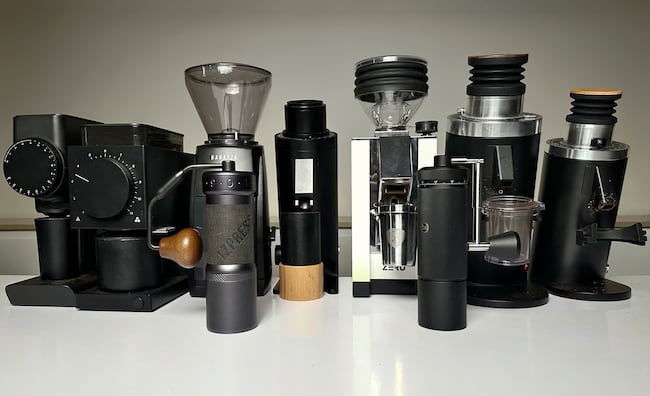
Burr grinders crush beans between two abrasive surfaces for uniform particles, essential for espresso.
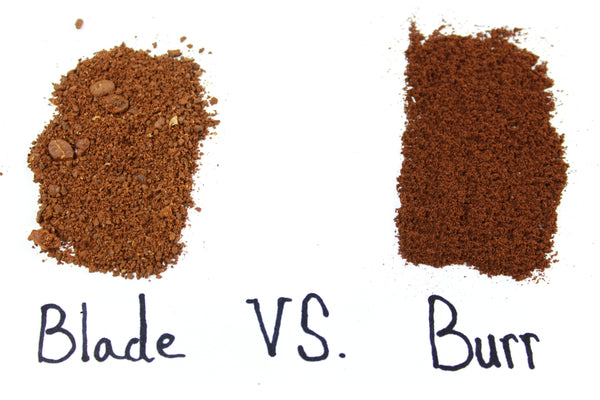
Blade grinders chop inconsistently, producing boulders and fines—up to 50% variation—causing poor extraction.
| Aspect | Burr Grinder | Blade Grinder |
|---|---|---|
| Particle Consistency | High (uniform, 80-90% ideal size) | Low (mix of fines and coarse) |
| Fineness Control | Precise, stepless/micro adjustments | Limited, time-based only |
| Heat Generation | Low | High (can scorch beans) |
| Best For Espresso | Yes, especially conical/flat models | No, inconsistent shots |
| Price Range | $100+ | $20-50 |
Experts agree: “A good burr grinder is the most important piece of equipment for making espresso .
:max_bytes(150000):strip_icc()/__opt__aboutcom__coeus__resources__content_migration__serious_eats__seriouseats.com__2019__02__20190206-coffee-grinder-vicky-wasik-grinds-comparison-1500x1125-b2d47dd44c0d408cabae9d91b262a533-72acbe342c714d41aa3febf61b65ad69.jpg)
:max_bytes(150000):strip_icc()/sea-primary-coffee-grinders-oct-24-nsimpson-207-b439c1ef1a674697b2825604e5321d5c.jpeg)
:max_bytes(150000):strip_icc()/__opt__aboutcom__coeus__resources__content_migration__serious_eats__seriouseats.com__2019__02__BurrGrinder_SeriousEats_LizClayman_04-1500x1001-dd0fdc9cf0c444a8aa1a8858d503c13d.jpg)
See detailed burr vs. blade testing from Serious Eats.
Tips for Achieving Perfect Espresso Grinds
- Choose a dedicated espresso burr grinder with micro-adjustments.
- Dial in: Aim for 25-30 second shots; finer for slower flow, coarser for faster.
- Weigh doses (18-20g typical) for consistency.
- Use fresh beans; adjust for roast level (lighter needs finer).
- Clean burrs regularly to avoid clogs.
A well-prepared puck should be firm and dry post-shot.

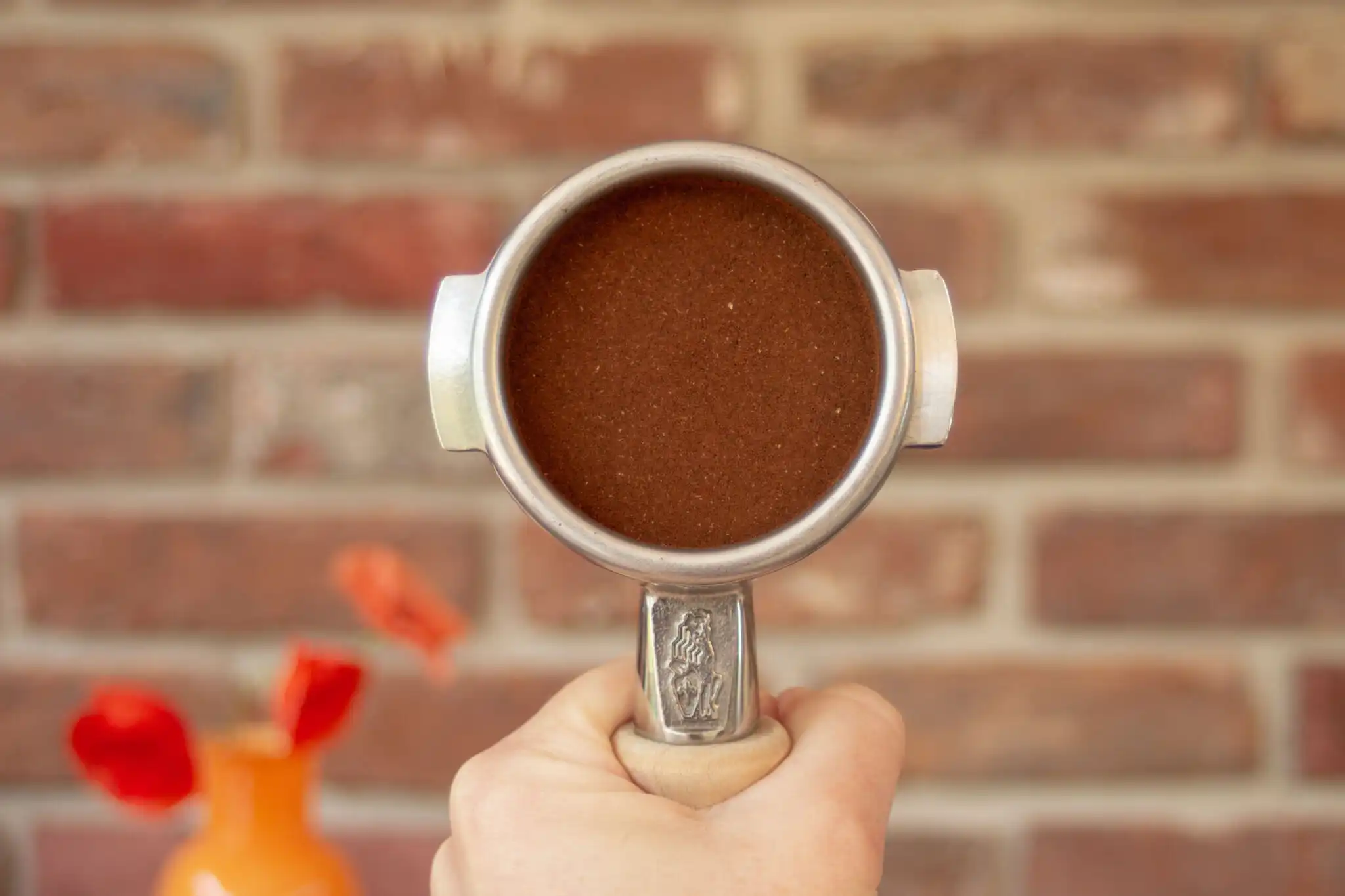
For grind size guidance, check Trade Coffee’s chart.
Alternatives If Your Grinder Can’t Handle Espresso
- Upgrade to entry-level burr like Baratza Encore ESP.
- Pre-ground espresso (less fresh).
- Manual grinders for travel (e.g., 1Zpresso).
- Pod machines (consistent but limited flavors).
FAQ
Can a blade grinder make espresso? No reliably; inconsistency leads to poor extraction and channeling.
What’s the ideal espresso grind size? Fine (like table salt), 180-380 microns, for 25-30 second pulls.
Do all burr grinders work for espresso? No—many general-purpose can’t go fine enough; choose espresso-specific models.
How does grind affect espresso taste? Too coarse: Sour, weak. Too fine: Bitter, over-extracted. Uniformity ensures balance.
Best budget burr grinder for espresso? Baratza Encore ESP or similar with fine adjustments.
Final Thoughts
Quality espresso starts with the grind—invest in a capable burr grinder for consistent, flavorful shots. Experiment with adjustments to dial in your perfect pull; the difference is transformative.

Maksuda Khanam is a passionate home appliance expert and the primary author behind KitchenMarts.com